
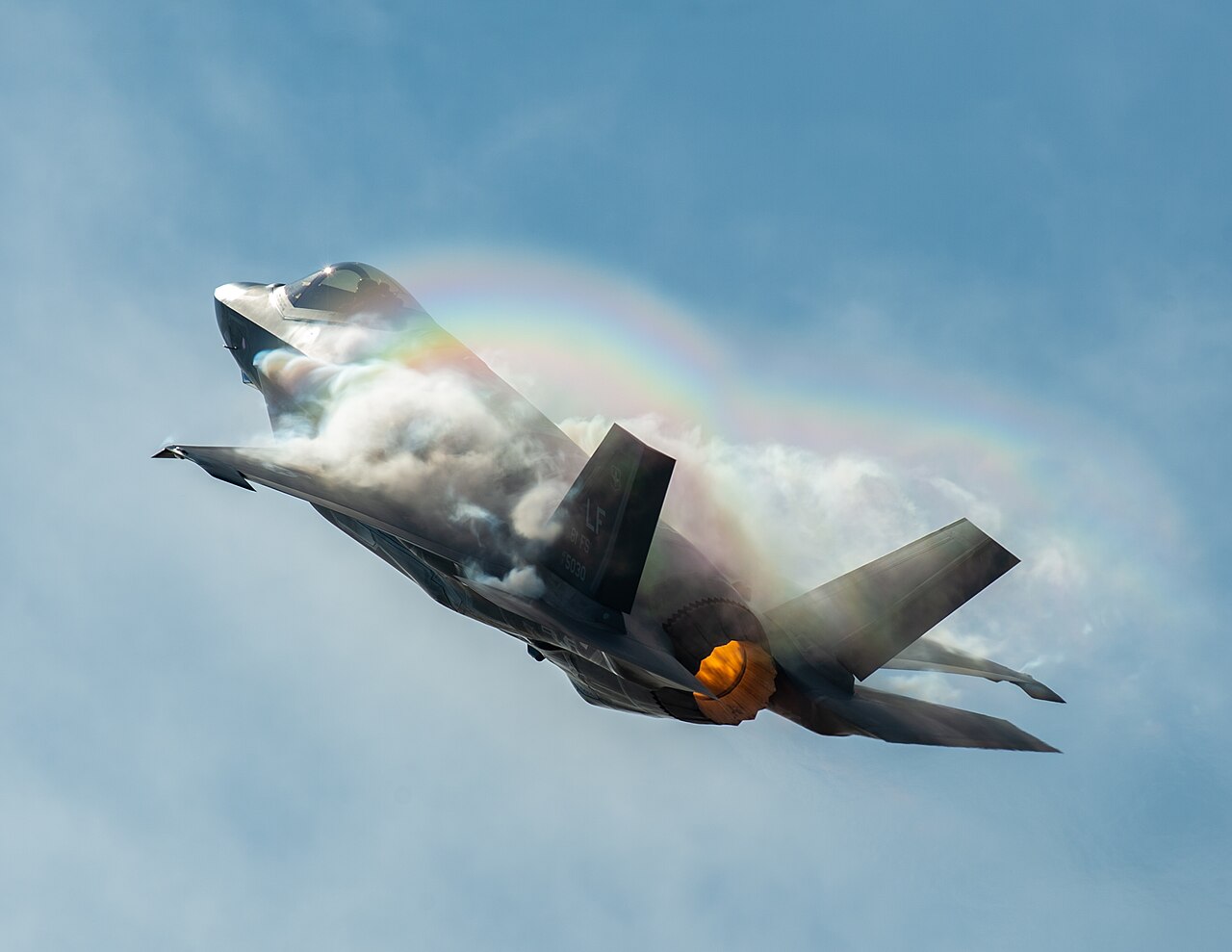
Until a few years ago, Point Nemo, the point in the ocean furthest from any landmass, was a 'black hole' for air traffic control. Thanks to Aireon technology and the Iridium Next constellation, ADS-B (Automatic Dependent Surveillance-Broadcast) surveillance has overcome the limits of terrestrial line-of-sight.
📡 Hardware Specs & RF Parameters
- Frequency: 1090 MHz (Mode S ES) / 978 MHz (UAT)
- Antenna Gain: 5.5 - 9 dBi (Collinear)
- Noise Figure (NF): < 1.0 dB
- Recommended SDR: Airspy R2 or FlightAware Pro Stick Plus
RF Architecture: From Transponder to Satellite
Satellite tracking requires extreme sensitivity. While terrestrial receivers operate under strong signal conditions (Line-of-Sight), Iridium Next satellites orbit at approximately 780 km. The 1090 MHz signal must traverse the atmosphere and maintain a sufficient signal-to-noise ratio (SNR) to be decoded despite Free Space Path Loss exceeding 150 dB. The PPM (Pulse Position Modulation) used by ADS-B is robust, but the Doppler shift caused by the orbital velocity of the satellites (approx. 27,000 km/h) requires advanced compensation algorithms in space-based receivers.
Bandpass Filters: Cavity vs SAW
To optimize reception, filter choice is critical. SAW (Surface Acoustic Wave) filters are inexpensive and compact, ideal for portable SDRs, but have significant insertion loss. In contrast, Cavity Filters offer superior selectivity and losses below 0.5 dB, which are fundamental for isolating the 1090 MHz signal from interference from LTE/GSM cell towers operating on adjacent frequencies.
LNA Preamplifiers and Bias-Tee
The use of an LNA (Low Noise Amplifier) positioned near the antenna is essential to compensate for coaxial cable losses. A system powered via Bias-Tee allows voltage to be sent to the amplifier directly through the RF cable, drastically improving the overall Noise Figure of the system. A low NF ensures that weak signals from distant aircraft are not drowned out by the receiver's thermal noise.
| Parameter / Component | Optimal Value / Description |
|---|---|
| Coaxial Cable | LMR-400 or higher (low loss) |
| Bandpass Filter | 1090 MHz Cavity (High-Q) |
| LNA Gain | +18dB to +24dB |
| SDR Sampling | 20 MSPS (for better temporal resolution) |
To contribute to the global monitoring network and view real-time traffic, visit map.adsbitalia.it and check our feeder guide at adsbitalia.it/it/feeding.html.