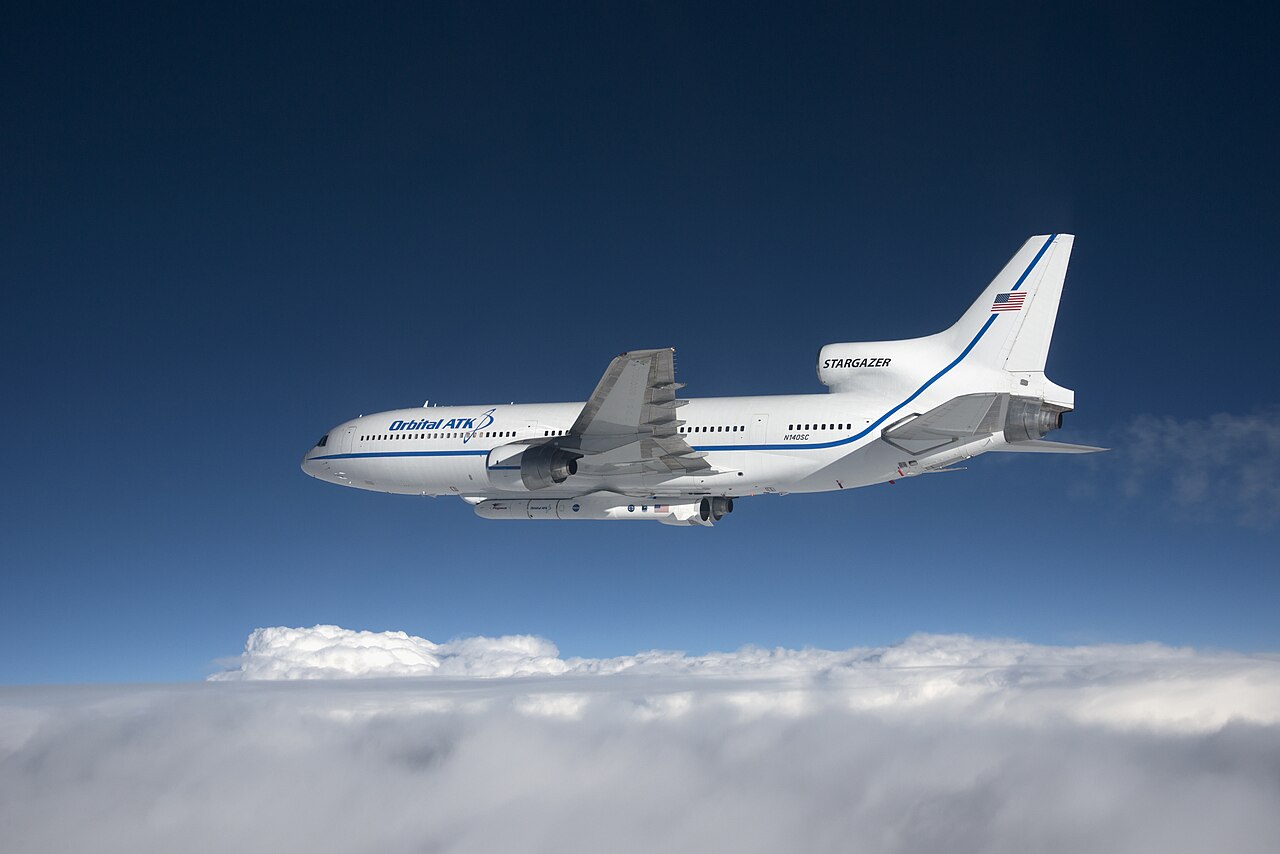
In the tense silence of the North Sea, the roar of three Pratt & Whitney JT8D engines shatters the monotony of the waves. This is not a commercial flight, but a precision dance just 150 feet above the water's surface. The Boeing 727-200, once the king of commercial skies, now enjoys a second youth as a bulwark against ecological disasters, operating for Oil Spill Response Ltd (OSRL).
✈️ Quick Facts & Performance
- Manufacturer: Boeing
- Model: 727-200 (RE/Advanced)
- Propulsion: 3x Pratt & Whitney JT8D-217C
- Cruise Speed: Mach 0.82
- Service Ceiling: 42,000 ft
- Maximum Range: 2,400 nm
History, Birth, and Design Philosophy
The Boeing 727 was born in the 1960s to meet the need for operating on short runways and city airports, combining jet speed with operational versatility. Its T-tail configuration and three rear-mounted engines made it an icon. However, as noise regulations and fuel efficiency began to penalize the older trijets, the 727 found a new calling. The transformation into an Oil Spill Response aircraft represents the pinnacle of aeronautical engineering recycling. These aircraft were chosen for their structural robustness and ability to carry heavy loads at high speeds, arriving at disaster sites much faster than naval vessels or smaller aircraft.
Aeronautical Engineering, Engines, and Aerodynamics
From a technical standpoint, the 727-200 modified by T2 Aviation integrates the TERSUS system. This system consists of internal tanks for dispersant liquid and a series of nozzles positioned under the wings and tail. The 727's aerodynamics, characterized by the famous triple-slotted flaps, allow the aircraft to maintain incredible lift at low speeds, an essential condition for spraying operations. The JT8D-217C engines, equipped with hush kits, provide the necessary thrust for rapid climbs in case of emergency during ultra-low-level flights. The longitudinal stability of the trijet is fundamental when flying in ground effect, where marine turbulence can severely test the airframe.
Life in the Cockpit: Operating Procedures and Pilots
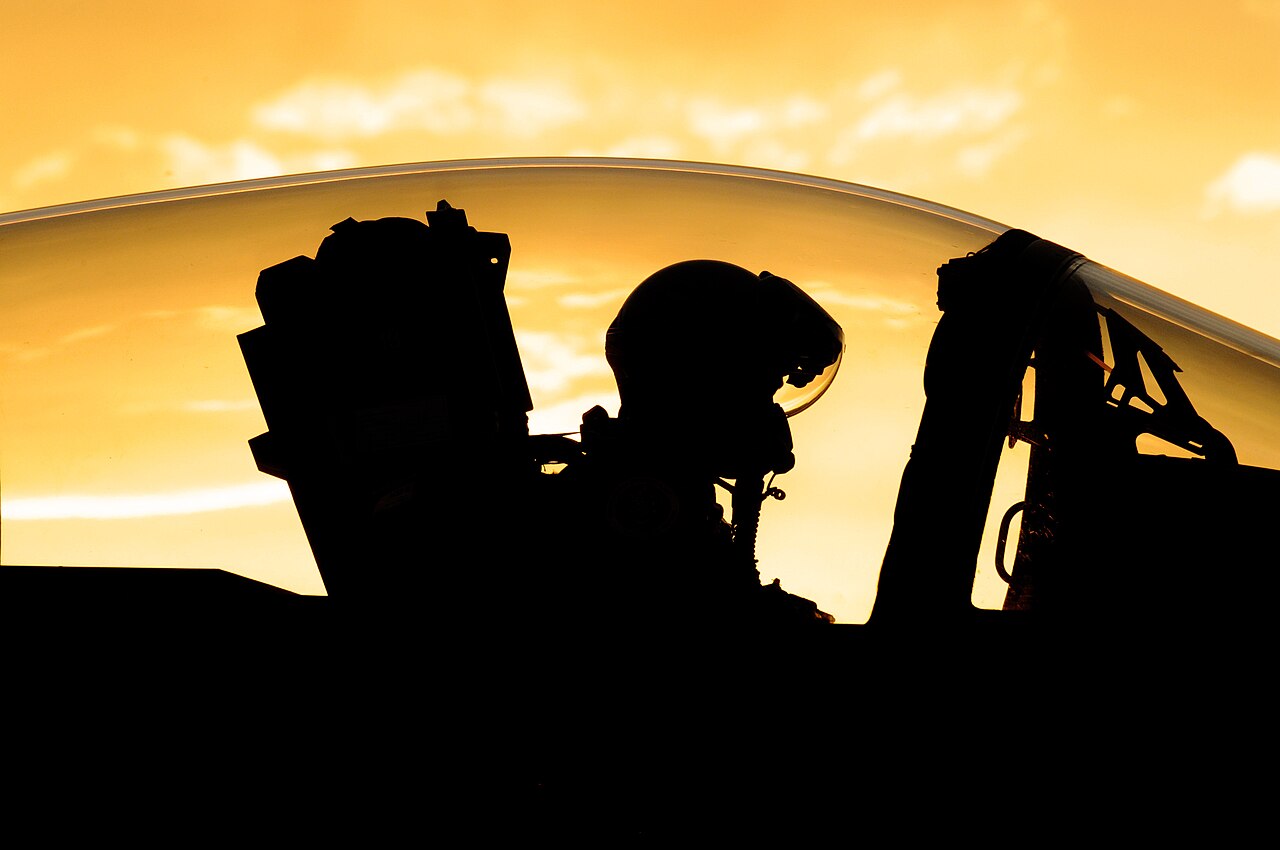
Flying a 727 at 150 feet (about 45 meters) requires nerves of steel and perfect coordination. The crew consists of three members: Captain, First Officer, and Flight Engineer. The latter is vital for monitoring engine parameters and the distribution of the dispersant load, which constantly changes during discharge, affecting the aircraft's center of gravity. Standard Operating Procedures (SOPs) involve precision approach maneuvers and low-radius turns. There are no modern automations that can replace the pilot's 'touch' in these conditions; it is pure, manual flight, where every control input must be measured to avoid water contact or stalling.
Real Missions and Global Operational Challenges
Training missions in the North Sea simulate catastrophic scenarios. The aircraft must take off at Maximum Take-Off Weight (MTOW) and reach the intervention area in record time. Once on site, it descends to operational altitude and releases simulated liquid to test coverage density. The main challenge is the weather: fog, crosswinds, and sea salt that can corrode turbines. Maintenance is therefore meticulous, with frequent engine washes to remove salt deposits. These 727s are ready to intervene anywhere in the world, from the African coast to Arctic waters, representing the last technological line of defense for the oceans.
| Technical Feature | Official Data |
|---|---|
| Wingspan | 32.92 m |
| Length | 46.69 m |
| MTOW | 95,027 kg |
| Unit Thrust | 17,400 lbf |
| Dispersant Capacity | 15,000 liters |
| Crew | 3 Members |
The legacy of the Boeing 727 lives on no longer as a passenger carrier, but as a guardian of the seas. In an era of ultra-automated twin-engine jets, the 727 remains an example of unsurpassed analog engineering for tasks requiring raw power and manual precision.