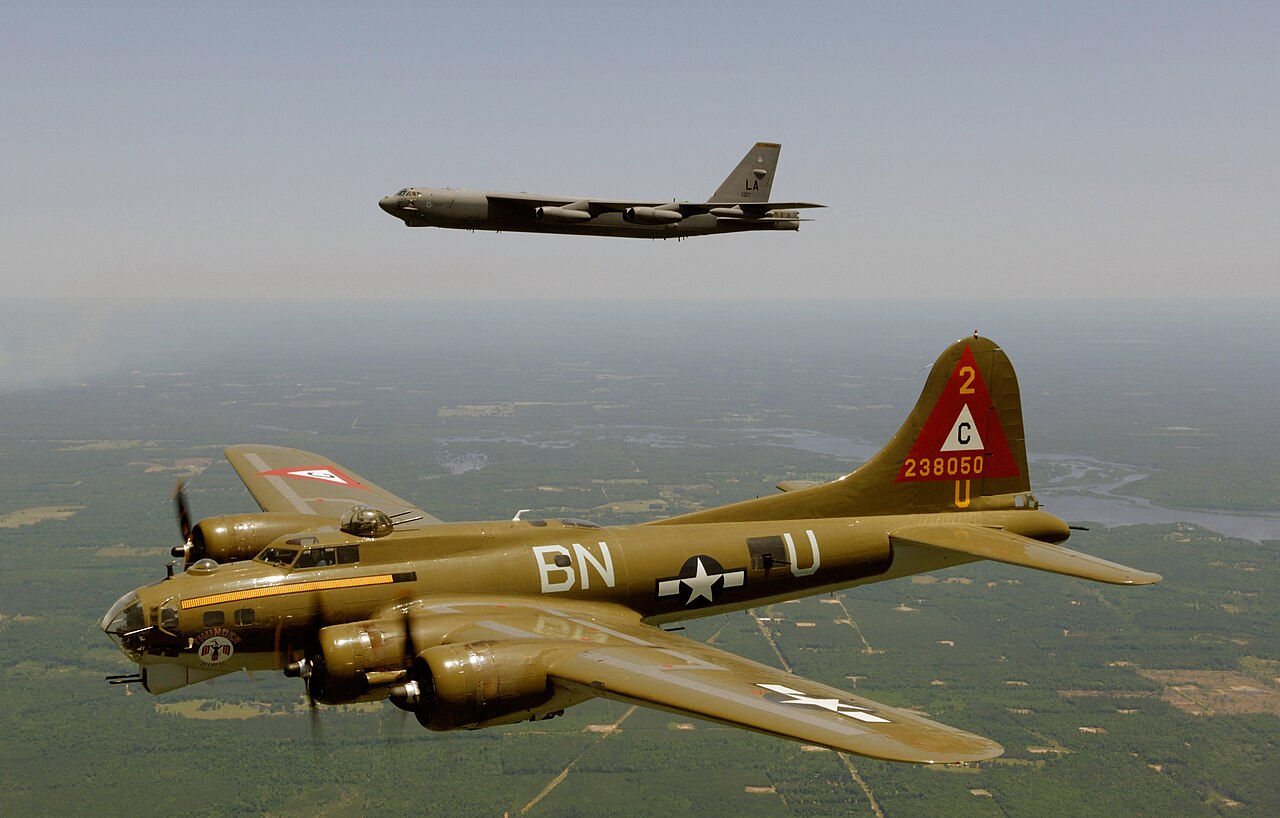
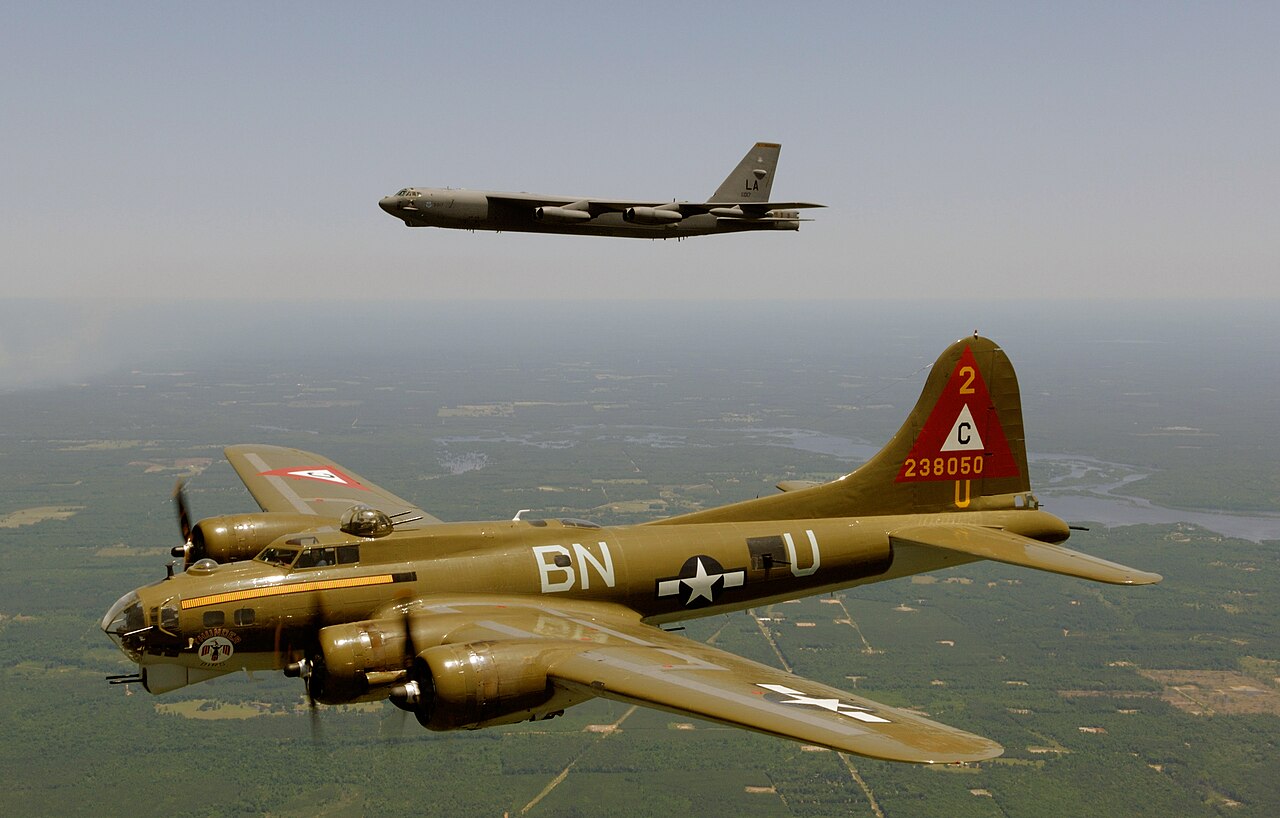
The Boeing B-52 Stratofortress is not merely an aircraft; it is a flying institution that defies the laws of time. With over seven decades of continuous service, the 'Big Ugly Fat Fellow' is preparing to cross the 2050 threshold, transforming through the integration of modern Rolls-Royce F130 engines.
✈️ Technical Specs & Performance
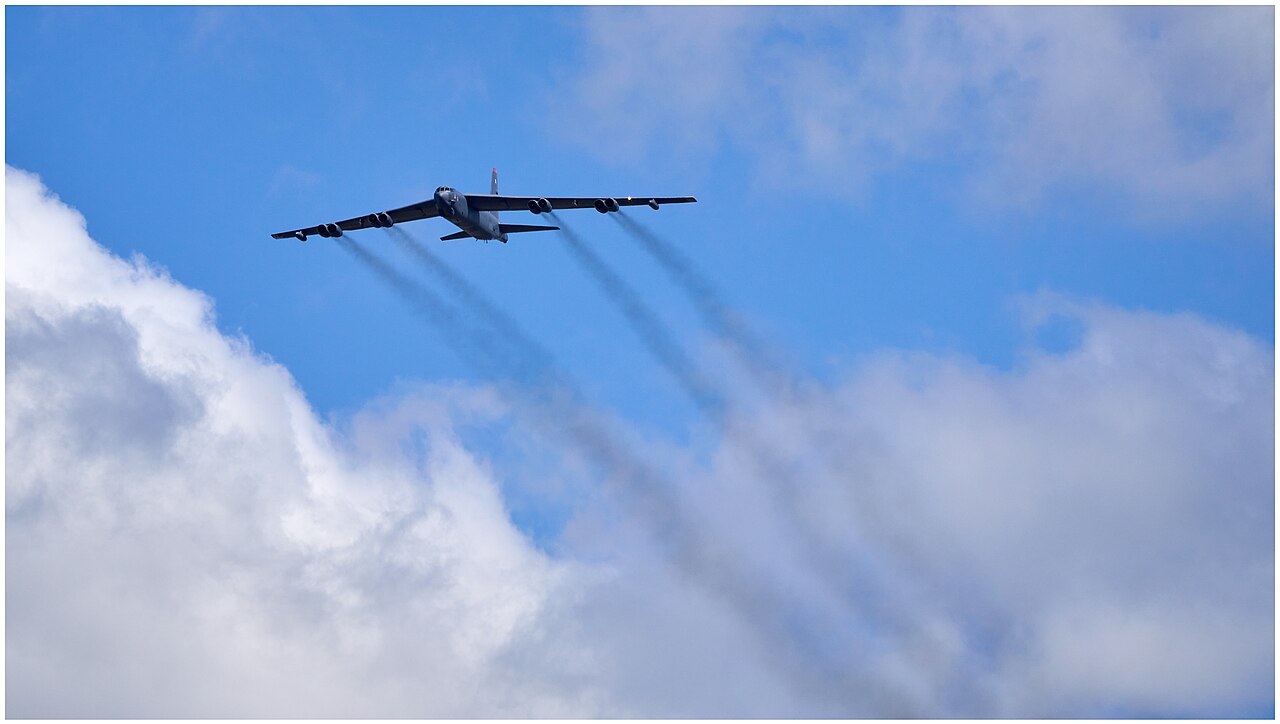
History, Birth and Design Philosophy
Born from an USAF requirement for a long-range intercontinental bomber, the B-52 first flew in 1952. Its design philosophy, based on a 35-degree swept wing and eight engines mounted in pods, ensured exceptional stability.
Aeronautical Engineering, Engines and Aerodynamics
The integration of the new Rolls-Royce F130 engines represents the largest engine upgrade in the aircraft's history. These powerplants offer superior thrust, reduced maintenance, and fuel efficiency that drastically extends operational range.
Life in the Cockpit: Operational Procedures and Pilots
Flying the B-52 requires meticulous systems management. Pilots operate in a side-by-side configuration, coordinating constantly with weapon systems officers to manage complex weapon loads during long-duration sorties.
Real Missions, Famous Routes and Operational Challenges
From Cold War nuclear deterrence missions to precision operations in the Middle East, the B-52 has demonstrated unparalleled versatility. Its transoceanic routes, supported by in-flight refueling, make it the USAF's most flexible strategic asset.
| Technical Feature | Official Data |
|---|---|
| Wingspan | 56.4 m |
| Length | 48.5 m |
| MTOW | 220,000 kg |
| Crew | 5 |
The B-52's legacy will continue to traverse the skies, ensuring global power projection for decades to come.