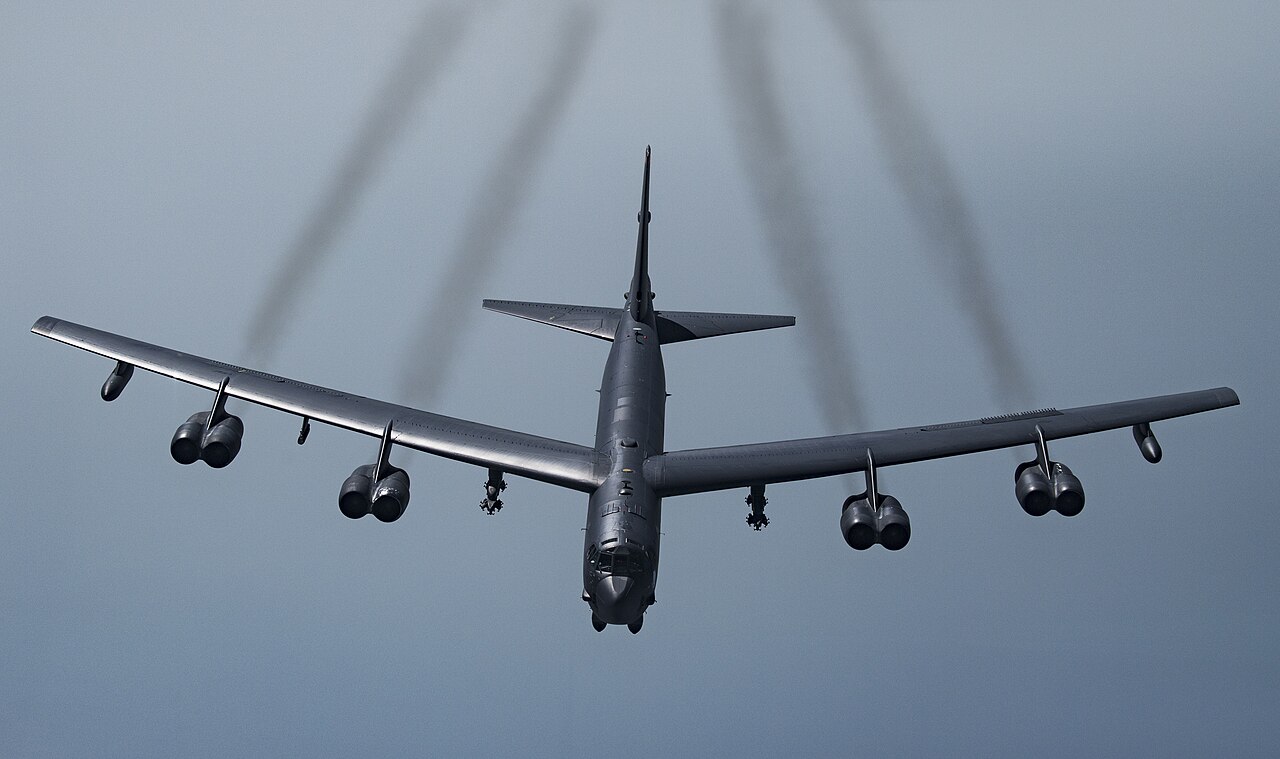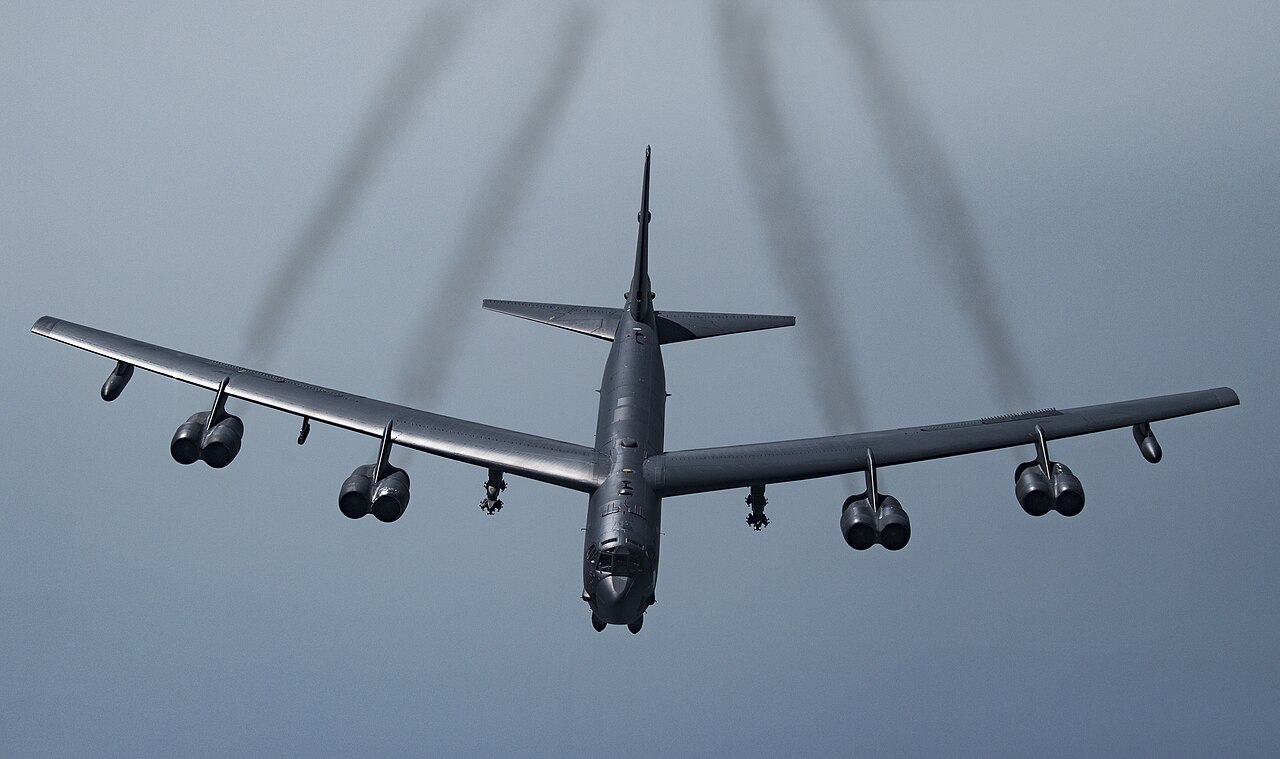

In the rarefied silence of high altitude, where air density challenges engine efficiency, a new wing profile has carved through the skies between Voronezh and Moscow, marking a rebirth for the Russian aviation industry. The Ilyushin Il-96-400M is not just an aircraft; it is an engineering response to the need for technological sovereignty in long-haul flight. With the roar of its four Aviadvigatel PS-90A1 turbofans, this wide-body giant has successfully completed its initial certification tests, demonstrating aerodynamic stability and operational resilience that echo the glorious tradition of the Ilyushin bureau.
✈️ Quick Facts & Performance
Manufacturer: United Aircraft Corporation (UAC) / VASO
Model: Ilyushin Il-96-400M
Propulsion: 4x Aviadvigatel PS-90A1
Cruise Speed: Mach 0.78 - 0.80
Service Ceiling: 13,100 m (43,000 ft)
Maximum Range: 8,100 km (with max payload)
History, Birth, and Design Philosophy
The Il-96-400M is rooted in the solid platform of the Il-96-300 but represents a radical evolution. The design philosophy is based on redundancy and safety guaranteed by the four-engine configuration—a paradigm that, while declining in the West in favor of ETOPS twin-jets, maintains strategic validity for operations in vast and remote territories like Siberia or the Arctic. The project was accelerated by the need to replace Boeing and Airbus aircraft in domestic long-haul fleets. Compared to its predecessor, the -400M features a fuselage lengthened by 9.35 meters, allowing for a passenger capacity that can reach 400 units in high-density configuration.
Aeronautical Engineering, Engines, and Aerodynamics
From a technical standpoint, the aircraft is a masterpiece of robustness. The variable-sweep wing with optimized winglets reduces induced drag, improving fuel efficiency despite the quad-engine architecture. The PS-90A1 engines are the beating heart of the system: each unit delivers a thrust of 17,400 kgf, ensuring consistent performance even in 'hot and high' conditions. During test flights between Voronezh and the Moscow region, telemetric data confirmed specific fuel consumption in line with fluid dynamics simulations. The integration of new composite materials in the control surfaces has reduced structural weight, offsetting the increased fuselage size.
Life in the Cockpit: Operating Procedures and Pilots
Entering the cockpit of the Il-96-400M means interfacing with a completely renewed avionics system. Test pilots have described the aircraft as 'extremely stable and predictable.' The fly-by-wire system has been updated to offer superior flight envelope protection, reducing crew workload during critical takeoff and landing phases. Operating procedures follow rigorous international standards, with digitized systems management allowing real-time monitoring of every engine parameter. The transition from analog to purely digital navigation (glass cockpit) with six multifunctional LCD displays has transformed the piloting experience, making it comparable to modern Western standards.
Real Missions, Famous Routes, and Global Operational Challenges
Monitoring Mode-S data during tests revealed flight profiles optimized for transcontinental routes. The aircraft was tested on segments simulating the Moscow-Vladivostok route, one of the longest and most challenging domestic routes in the world. The main operational challenge remains economic efficiency compared to modern twin-jets, but the Il-96-400M focuses on operational availability and ease of maintenance in hostile environments. With a maximum takeoff weight (MTOW) of 270 tons, the aircraft requires Class A airport infrastructure, but its ability to operate from runways with less-than-perfect surfaces makes it unique in its category.
| Technical Specification | Official Data |
|---|---|
| Wingspan | 60.11 m |
| Length | 63.94 m |
| MTOW | 270,000 kg |
| Unit Thrust (PS-90A1) | 170.7 kN |
| Max Fuel | 150,000 liters |
| Flight Crew | 3 (Pilot, Co-pilot, Flight Engineer) |
The legacy of the Ilyushin Il-96-400M is projected toward a future where technological resilience becomes a priority. As the world moves toward electrification and sustainable fuels, this Russian giant represents the pinnacle of internal combustion technology applied to heavy aviation, a bridge between the glorious history of Soviet flight and the new needs of global air transport.