
The advent of the Raspberry Pi 5 has revolutionized the landscape of amateur and professional aircraft monitoring. Thanks to the new Broadcom BCM2712 SoC and significantly improved I/O management, this platform can handle massive data streams from high-performance SDR receivers without the bottlenecks typical of previous versions.
📡 Hardware Specs & RF Parameters
- Frequency: 1090 MHz (Mode S) / 978 MHz (UAT)
- Antenna Gain: 5.5 dBi - 9 dBi (Collinear)
- Noise Figure (NF): < 1.0 dB (with external LNA)
- Recommended SDR: RTL-SDR v4, Airspy R2, or FlightAware Pro Stick Plus
- Sampling: 2.4 MSPS - 20 MSPS
RF Architecture and Front-End: Maximizing SNR
In a high-traffic environment, the main issue is not signal strength, but the noise floor and out-of-band interference (LTE/5G). Raspberry Pi 5 allows for more demanding decoding software like readsb with 12 or 20 MHz sampling. To optimize the front-end, placing a Low Noise Amplifier (LNA) as close to the antenna as possible is essential. This compensates for coaxial cable losses before noise is introduced by the receiver.
Advanced Filtering: Cavity vs SAW
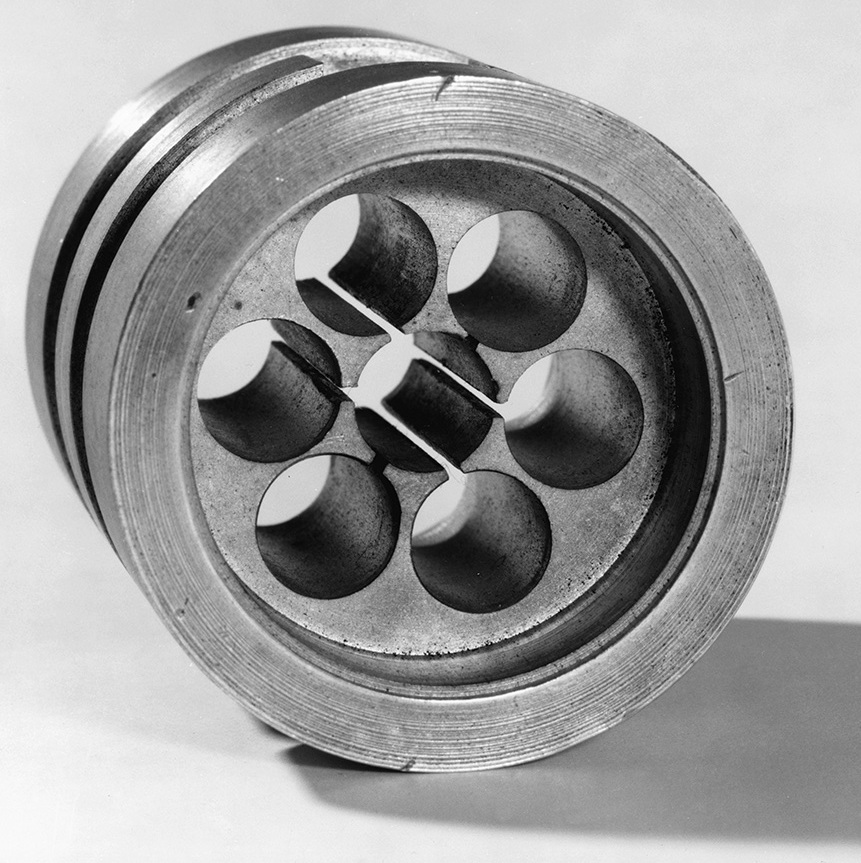
SAW (Surface Acoustic Wave) filters are cheap but have significant insertion loss (2-3 dB). In congested areas, a Cavity Filter is the superior choice. Although bulkier, cavity filters offer extreme selectivity and losses below 0.5 dB, isolating the 1090 MHz signal from powerful mobile phone towers. The Raspberry Pi 5 effortlessly handles the additional computational load from aggressive error correction (FEC) algorithms.
Kernel Optimization and Thermal Management
The Raspberry Pi 5 runs hotter than its predecessors. To avoid thermal throttling, which causes lost ADS-B packets, the official Active Cooler is mandatory. On the software side, setting the CPU Governor to performance minimizes USB bus interrupt latency. A 5A power supply is critical to ensure SDR peripherals receive stable voltage, reducing phase jitter in RF sampling.
| Parameter / Component | Optimal Value / Description |
|---|---|
| Coaxial Cable | LMR-400 or better for runs > 10m |
| SDR Power | Integrated Bias-Tee 4.5V - 5V |
| CPU Governor | Performance (avoids sampling drops) |
| Cooling | Active (Fan + Heatsink) |
In conclusion, integrating Raspberry Pi 5 into an ADS-B station requires a holistic approach combining RF hardware excellence and software optimization. We invite all enthusiasts to view real-time routes on map.adsbitalia.it and consult our full feeding guide at adsbitalia.it/it/feeding.html.