
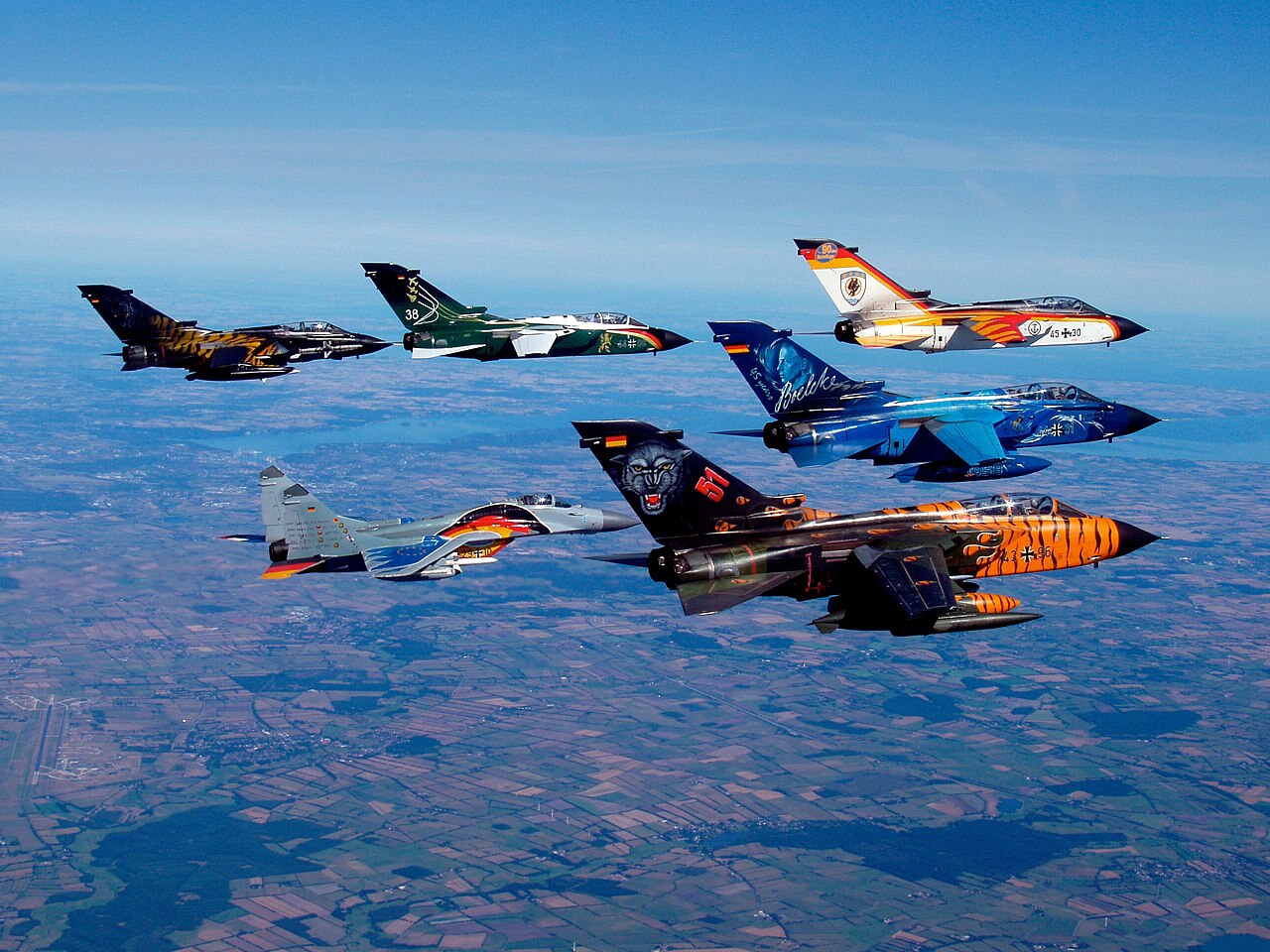
The Panavia Tornado IDS was not just an aircraft; it was Europe's answer to the need for penetrating hostile airspace below radar thresholds, leveraging the physics of supersonic flight just meters above the ground.
✈️ Technical Specifications & Performance
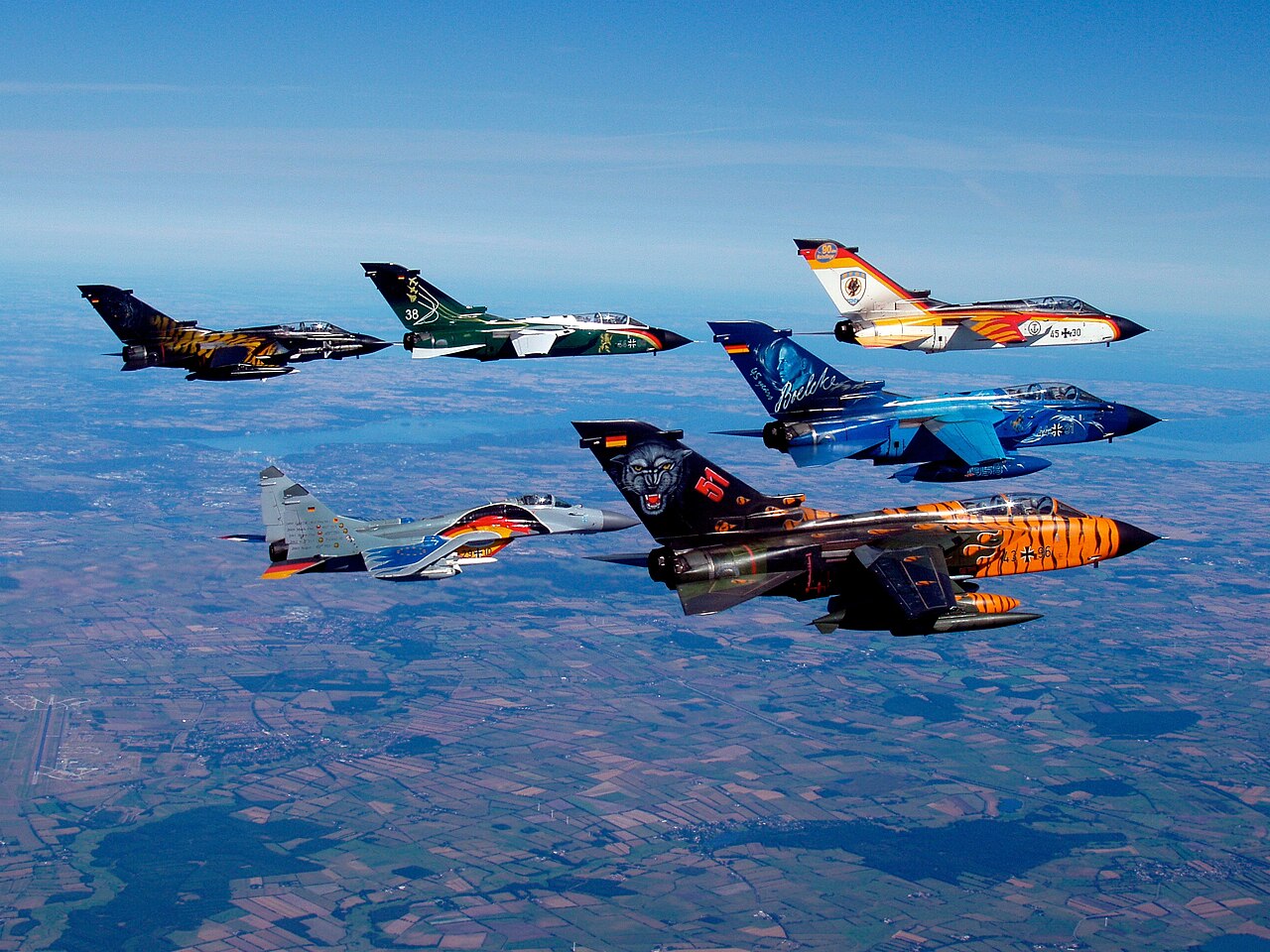
History, Origins and Design Philosophy
Born in the 1970s from the Panavia consortium, the Tornado IDS (Interdictor Strike) was the result of a strategic vision shared by Italy, Germany, and the UK. The challenge was to create an 'all-weather' aircraft capable of operating in prohibitive conditions.
Aeronautical Engineering, Engines and Aerodynamics
The core is the variable-sweep wing, capable of varying sweep from 25° for takeoff and landing, up to 67° for high-speed maneuvers. The RB199 engines, with their thrust-to-weight ratio, allowed for unprecedented efficiency at ultra-low altitudes.
Cockpit Life: Operational Procedures and Pilots
The pilot and navigator work in symbiosis. The Terrain-Following Radar (TFR) automates flight at altitudes below 100 feet, leaving the pilot with tactical mission control.
Real Missions, Famous Routes and Operational Challenges
From operations in Iraq to missions over the Balkans, the Tornado proved that speed and precision are the best defenses.
| Technical Feature | Official Data |
|---|---|
| Wingspan | 13.91m (min) / 8.60m (max) |
| Length | 16.72m |
| MTOW | 28,000kg |
| Unitary Thrust | 71.5 kN (with afterburner) |
The Tornado's legacy remains in the skies as a symbol of European engineering excellence.