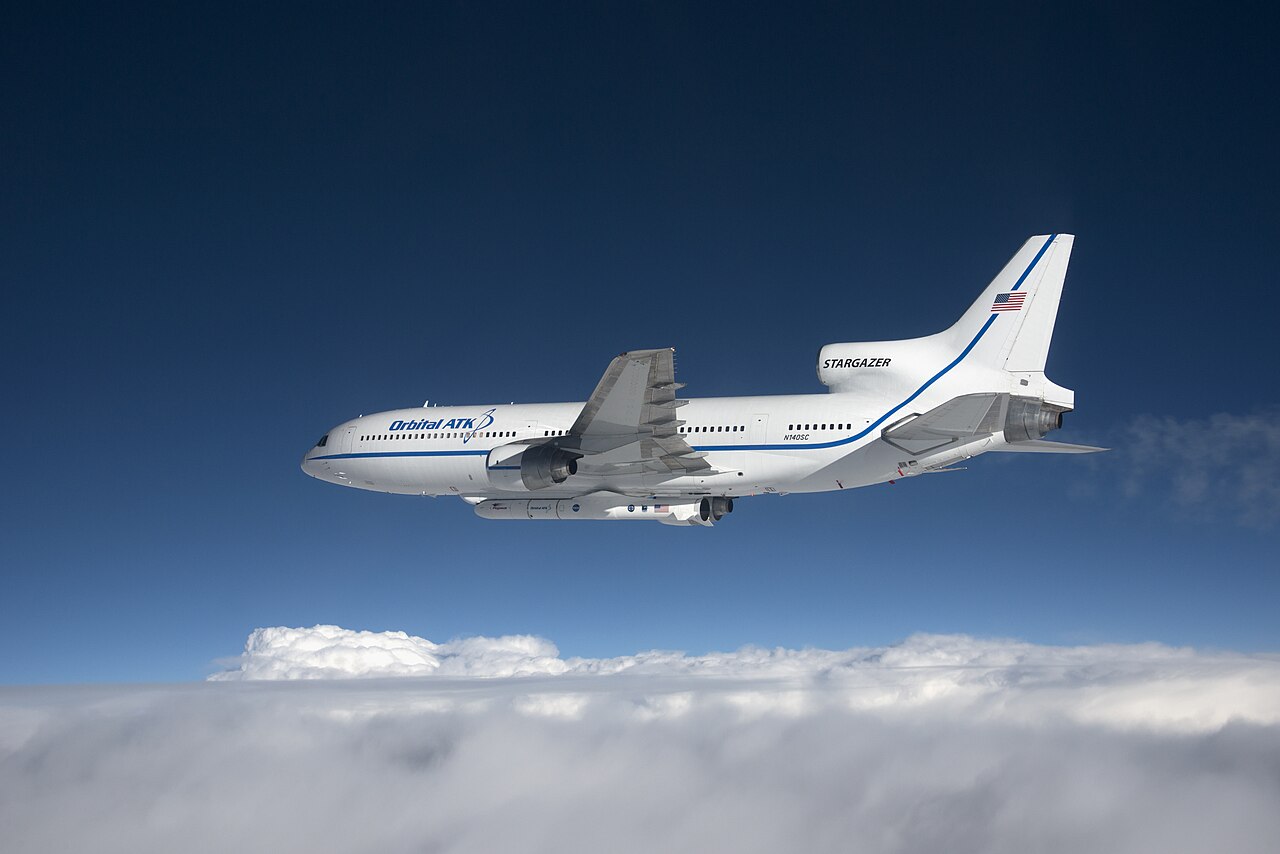
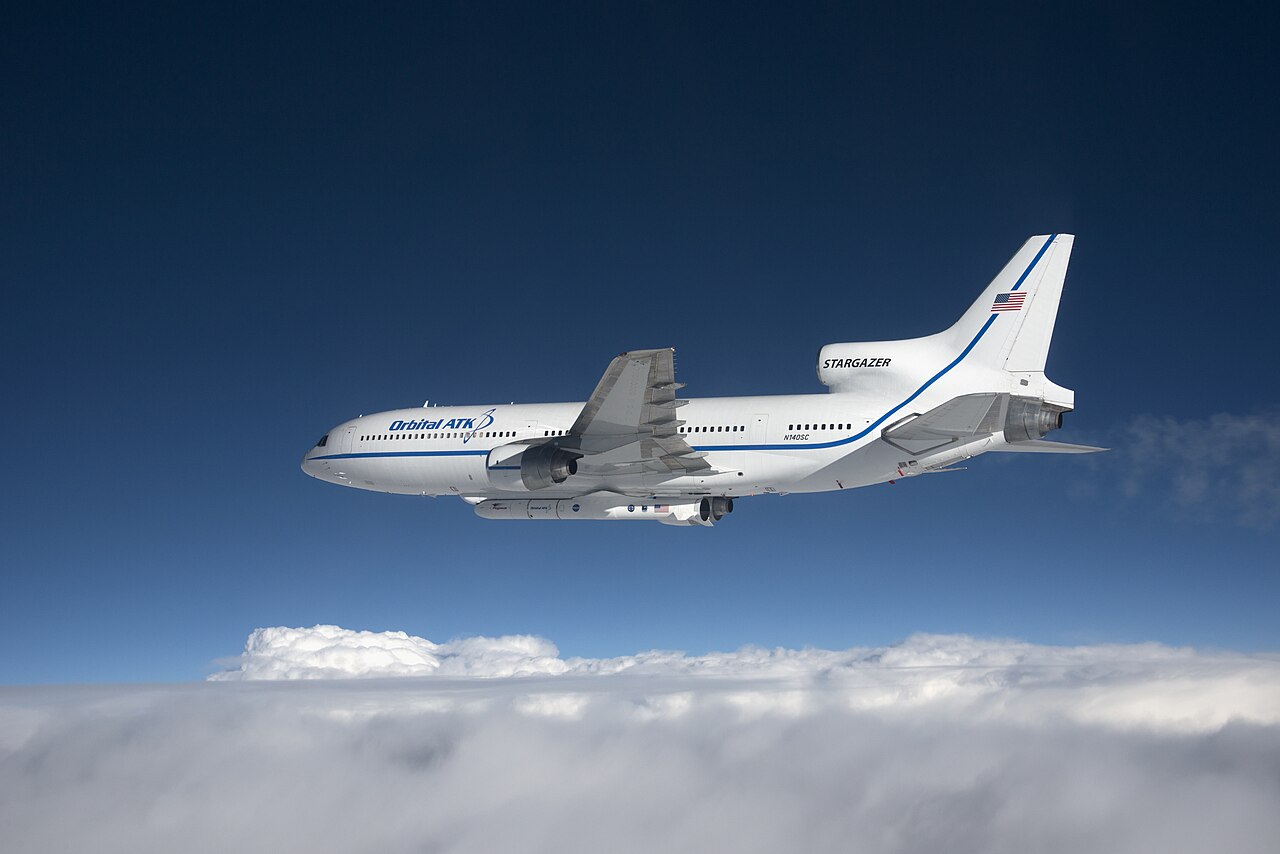
In the landscape of contemporary commercial aviation, few projects have sparked as much strategic and technical interest as the launch of Riyadh Air. It is not merely a new airline, but a flying digital ecosystem based on the Boeing 787-9 Dreamliner airframe, designed to redefine global traffic flows between Asia, Europe, and the Americas.
✈️ Quick Facts & Performance
Manufacturer: Boeing
Model: 787-9 Dreamliner
Propulsion: 2x General Electric GEnx-1B
Speed: Mach 0.85 (903 km/h)
Service Ceiling: 43,100 ft
Max Range: 14,010 km
History, Genesis, and Design Philosophy
Riyadh Air was born under the aegis of Saudi Arabia's Public Investment Fund (PIF) with the goal of transforming Riyadh into a global hub of excellence. The choice of the Boeing 787-9 as the backbone of the initial fleet is no coincidence: it represents the perfect balance between payload capacity, fuel efficiency, and passenger comfort. The airline's philosophy deviates from traditional models, focusing on 'digital nativity,' viewing the aircraft as a constantly connected network node. This approach allows for real-time monitoring of airframe and avionic systems performance, optimizing predictive maintenance and ensuring unprecedented operational punctuality.
Aeronautical Engineering, Engines, and Aerodynamics
The beating heart of Riyadh Air's 787-9 is the General Electric GEnx-1B engine. These high-bypass turbofan engines utilize advanced composite materials and high-temperature resistant metal alloys to reduce fuel consumption by 15% compared to previous generation engines. The Dreamliner's aerodynamics, featuring iconic raked wingtips, reduce induced drag, allowing for longer and quieter cruises. The carbon fiber structure not only lightens the aircraft but also allows for cabin pressure to be maintained at a lower altitude equivalent, drastically reducing jet-lag for passengers and fatigue for the flight crew.
Life in the Cockpit: Operational Procedures and Pilots
For Riyadh Air pilots, the Boeing 787 represents the pinnacle of the human-machine interface. The cockpit is dominated by large multi-function LCD displays and the dual Head-Up Display (HUD), which allows captains to keep their eyes outside during critical flight phases, viewing essential flight data directly in their field of vision. Operational procedures are simplified by the fly-by-wire architecture, which provides superior flight envelope protection. The integration of ADS-B (Automatic Dependent Surveillance-Broadcast) Out and In systems is fundamental: pilots can view the precise position of other aircraft on the cockpit display of traffic information (CDTI), enhancing situational awareness and allowing for more direct routes through Performance-Based Navigation (PBN).
Real Missions, Famous Routes, and Global Operational Challenges
Riyadh Air's operations focus on ultra-long-haul routes connecting the Saudi desert with metropolises like New York, Tokyo, and London. A primary challenge is managing extreme temperatures during taxi and takeoff from King Khalid International Airport (RUH). Here, GEnx engine performance is tested by heat-thinned air, requiring precise calculations for maximum takeoff weight (MTOW). Thanks to advanced digital connectivity, every flight parameter is transmitted to the airline's operations center, allowing for real-time fuel efficiency analysis and flight profile adjustments to avoid turbulence or unfavorable jet streams.
| Technical Specification | Official Data |
|---|---|
| Wingspan | 60.1 m |
| Length | 62.8 m |
| MTOW (Max Takeoff Weight) | 254,011 kg |
| Unit Thrust | 71,000 lbf |
| Max Fuel | 126,206 L |
| Flight Crew | 2 Pilots |
Riyadh Air's legacy is still being written, but the integration of cutting-edge aeronautical technologies with a digital operational vision marks the beginning of a new era. As the first aircraft in indigo livery take to the skies, the world watches how Dreamliner engineering can transform not just a nation, but the entire global air transport network.