In the world of commercial aviation, the retirement of a veteran captain is not just an administrative event, but a rite of passage that blends engineering precision with profound emotion. In recent years, a new tradition has taken flight: 'Sky Art'. Through meticulous flight plan (FPL) planning, pilots use their aircraft as giant brushes, drawing logos, messages, or aircraft silhouettes in the sky, paying tribute to decades of a career spent among the clouds.
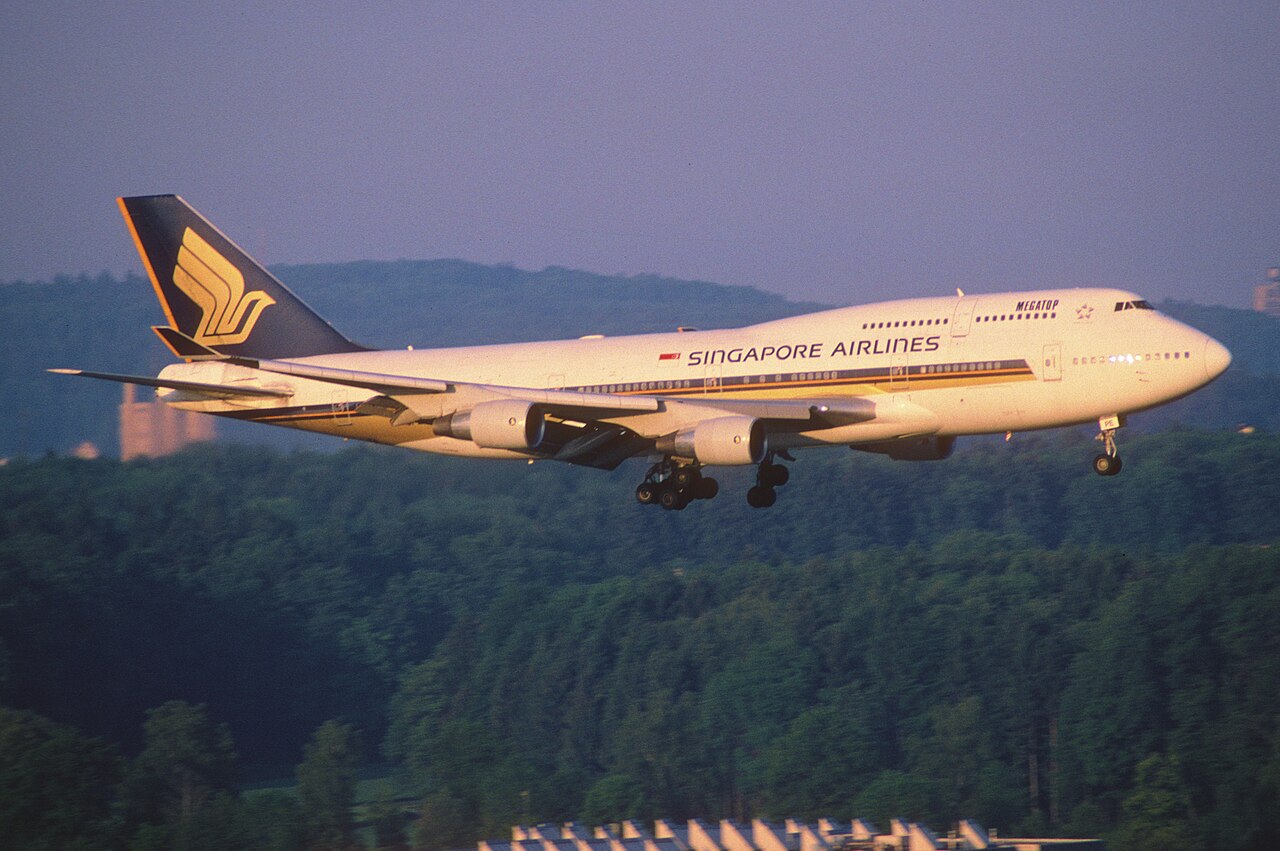
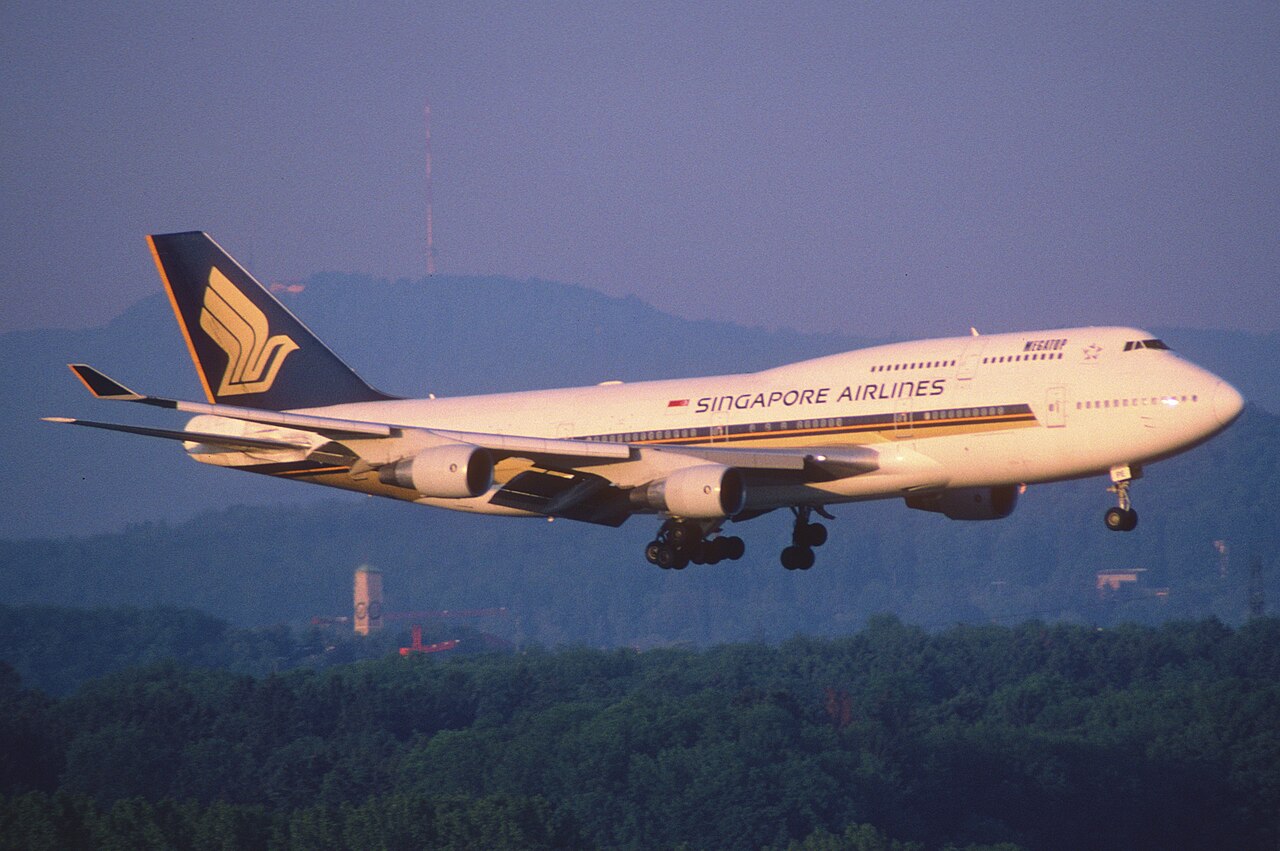
✈️ Technical Data & Performance (Example: Boeing 747-400)
Manufacturer: Boeing
Model: 747-400 'Queen of the Skies'
Propulsion: 4x General Electric CF6-80C2B1F
Cruise Speed: Mach 0.85
Service Ceiling: 45,100 ft (13,747 m)
Maximum Range: 13,450 km
History, Origin, and Design Philosophy
The practice of tracing specific routes was not born for aesthetic purposes, but is rooted in post-maintenance test procedures or certification flights. However, with the advent of global tracking systems and the democratization of ADS-B data, pilots realized that their 'path' in the sky was now visible to the entire world. The philosophy behind retirement Sky Art lies in the desire to leave an indelible digital footprint. It is not mere exhibitionism, but a demonstration of mastery in Area Navigation (RNAV) and the management of onboard systems. Every turn, every waypoint manually entered into the Flight Management System (FMS), represents a chapter of a life dedicated to safety and operational efficiency.
Aeronautical Engineering, Engines, and Aerodynamics
Creating a complex geometric figure with a 400-ton jet requires a deep understanding of flight dynamics. Pilots must precisely calculate the turn radius, which depends on Ground Speed (GS) and bank angle. A Boeing 747 or an Airbus A350 cannot 'turn' like an aerobatic plane; their inertia and structural limits impose wide, fluid trajectories. From an engineering perspective, these maneuvers test the precision of the onboard Inertial Navigation Systems (IRS) and GPS. Managing the thrust of high-bypass turbofan engines is crucial: maintaining a constant speed during continuous turns avoids fluctuations that would blur the radar drawing. Furthermore, fuel consumption must be carefully monitored, as these deviations from the standard great-circle route add significant nautical miles to the original flight plan.
Life in the Cockpit: Operating Procedures and Pilots
Planning begins months before takeoff. The pilot, often in collaboration with the airline's dispatch office, creates a series of waypoints defined by geographic coordinates (Latitude/Longitude) that, when joined, form the desired image. This data is entered into the Flight Management Computer (FMC) during the pre-flight phase. Once at altitude, the pilot selects LNAV (Lateral Navigation) mode, allowing the autopilot to faithfully follow the programmed 'canvas'. However, the biggest challenge is coordination with Air Traffic Control (ATC). Flying a non-standard route requires special authorizations, as the aircraft must cross sectors of airspace it would normally avoid, while always maintaining safety separations from other aircraft in transit.
Real Missions, Famous Routes, and Global Operational Challenges
One of the most famous examples of Sky Art was the farewell flight of the Qantas Boeing 747, where the captain drew the iconic kangaroo over the Pacific Ocean before heading to the Mojave Desert. Another memorable case saw an El Al pilot trace the silhouette of a 747 in the Mediterranean Sea. These missions are not without challenges: adverse weather conditions or unexpected turbulence can force the pilot to deviate from the programmed drawing, requiring rapid manual corrections to avoid compromising the aesthetics of the track. It is a perfect balance between cold computational logic and human sensitivity.
| Technical Specification | Official Data (B747-400) |
|---|---|
| Wingspan | 64.4 m |
| Length | 70.6 m |
| MTOW (Max Takeoff Weight) | 396,890 kg |
| Unit Thrust (CF6) | 63,300 lbf |
| Max Fuel | 216,840 L |
| Flight Crew | 2 Pilots |
In conclusion, Sky Art represents the pinnacle of modern aeronautical culture. It is the meeting point between advanced technology and the intrinsic romance of flight. As the industry moves toward greater automation, these celebratory tracks remind us that at the center of every cockpit there is still a human being with a story to tell, capable of transforming a transport mission into an ephemeral yet eternal work of art in the world's radar databases.