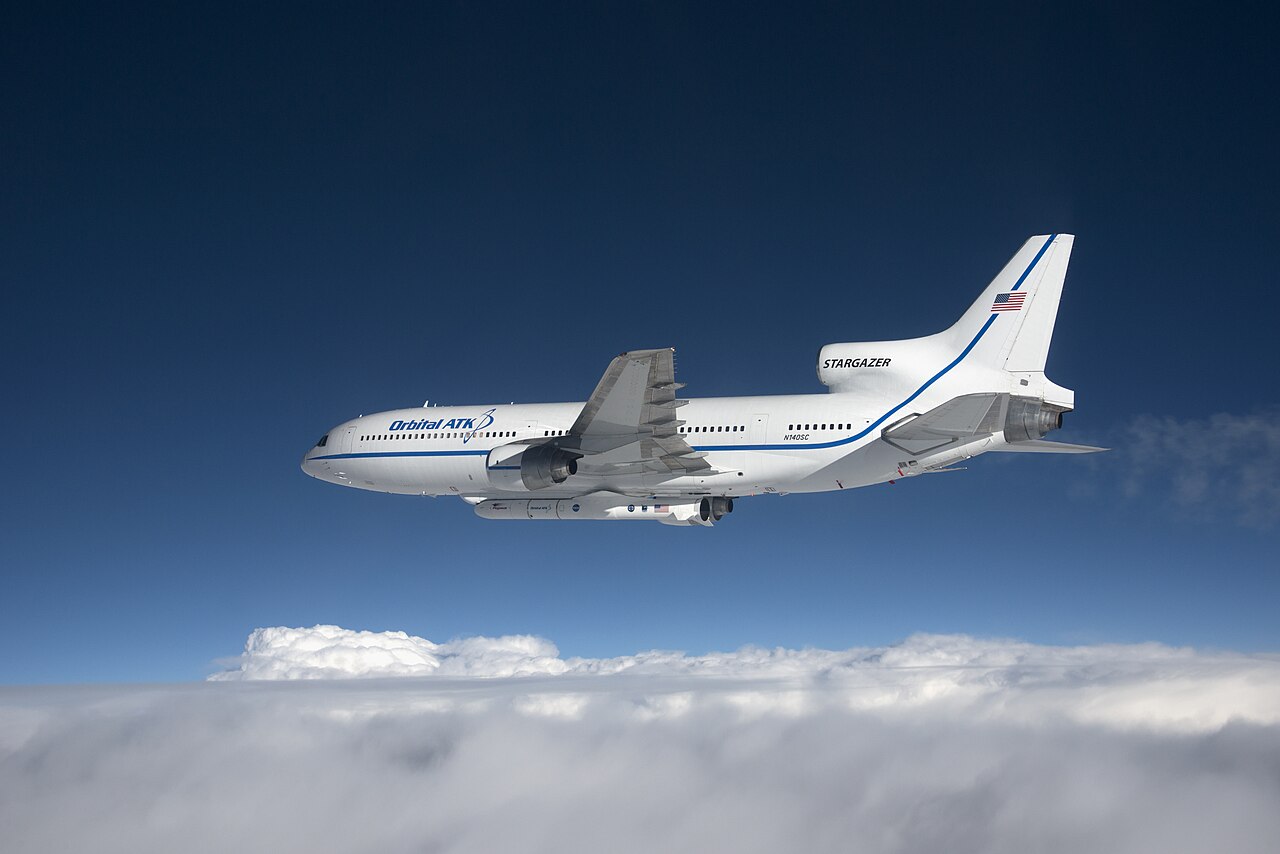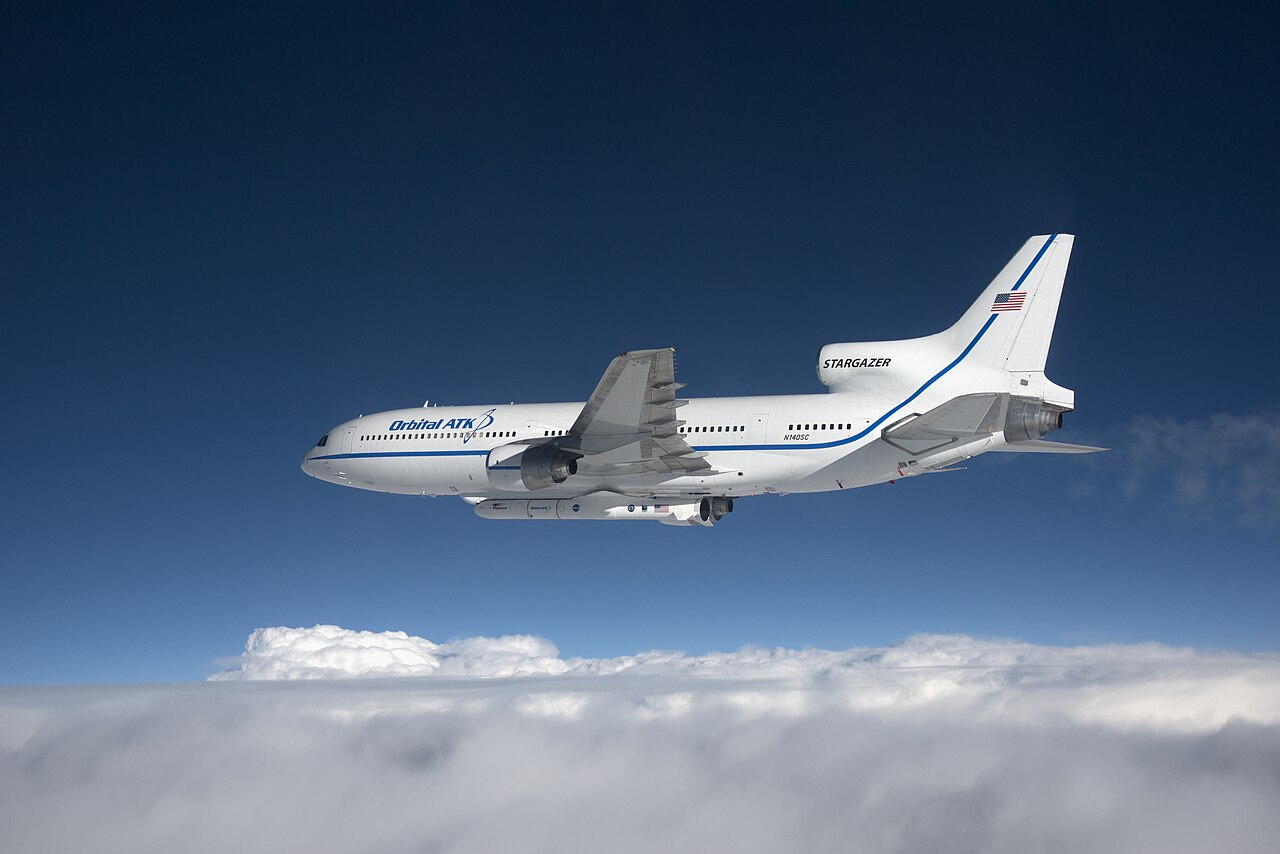
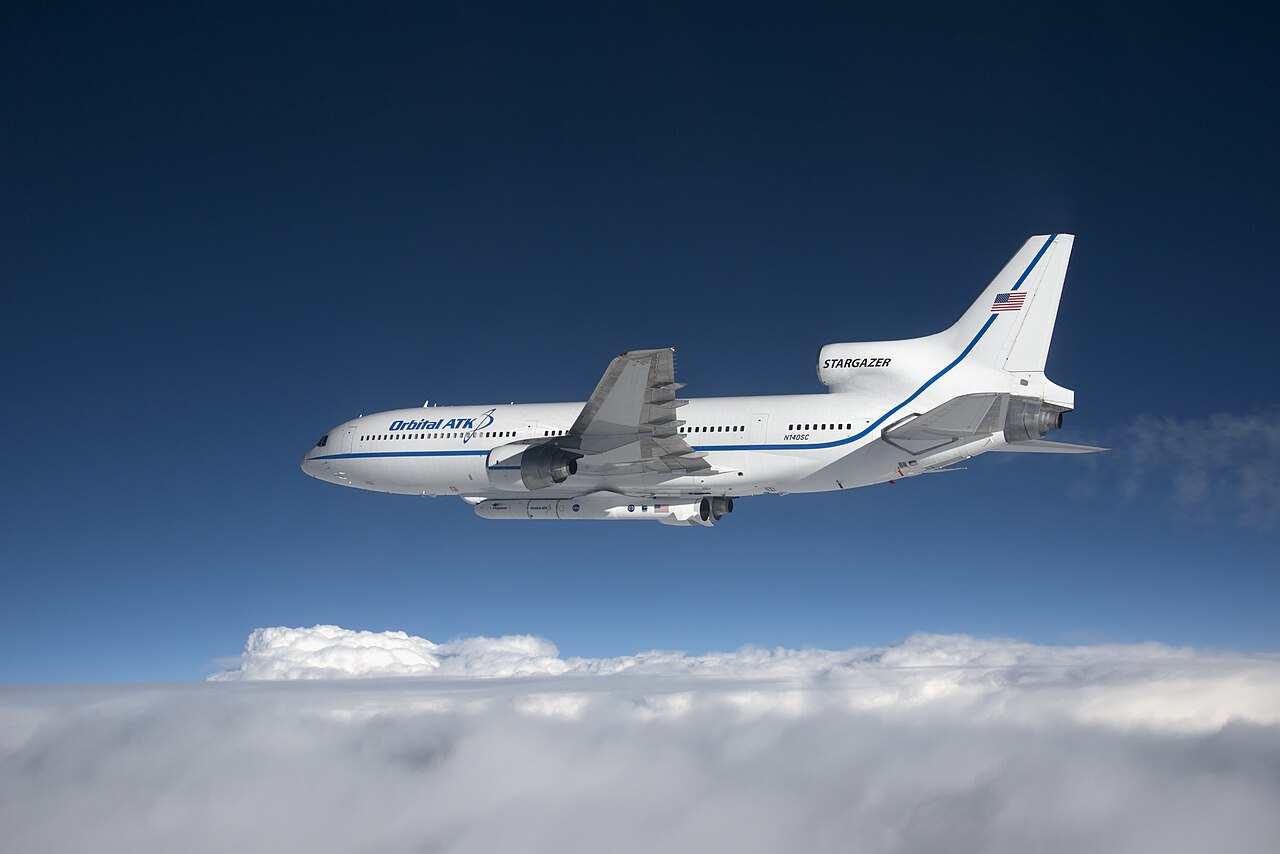
There is no aerodynamic challenge more brutal than pointing the nose of a four-engine turboprop directly into a wall of clouds spinning at 250 km/h. The Lockheed WC-130J Hercules, the backbone of the 53rd Weather Reconnaissance Squadron, is not just an aircraft; it is a flying laboratory designed to survive where the laws of aeronautical physics are pushed to the extreme.
✈️ Scheda Tecnica & Prestazioni
History, Origin and Design Philosophy
The 'Hurricane Hunters' program has roots dating back to World War II. The need for real-time meteorological data transformed the robust C-130 into a dedicated reconnaissance platform. The design philosophy of the WC-130J relies on redundancy: the airframe must withstand extreme g-loads and turbulence that would cause structural failure in almost any other commercial aircraft.
Aeronautical Engineering, Engines and Aerodynamics
The heart of the WC-130J is the four Rolls-Royce AE 2100D3 engines, each capable of delivering 4,700 horsepower. The integration of six-blade composite propellers allows for immediate response to rapid changes in air density inside the eye of the cyclone, ensuring the pilot maintains authority over the aircraft even during violent updrafts and downdrafts.
Cockpit Life: Operational Procedures
Pilots and navigators operate in an environment of constant tension. The penetration procedure requires pinpoint precision: maintaining attitude while the airframe is buffeted by gusts exceeding 100 knots requires a total symbiosis between man and machine. Onboard instrumentation constantly monitors structural stress, ensuring operational limits are never exceeded.
| Technical Feature | Official Data |
|---|---|
| Wingspan | 40.41 m |
| Length | 29.79 m |
| MTOW | 74,390 kg |
| Crew | 5 |
Real Missions and Future
Transoceanic missions require impeccable fuel management. The future will see the integration of even more advanced navigation systems, but the WC-130J will remain the irreplaceable icon of the stormy skies.