Aviation meets art in one of the most complex flight operations ever attempted for celebratory purposes: drawing the FIFA World Cup 2026 logo over the skies of North America. This is not mere skywriting; it is a flight engineering mission requiring millimeter precision, coordination among elite aerobatic pilots, and the use of Mode-S transponder technology to trace an artwork visible to radars worldwide.
✈️ Technical Specifications & Performance
History, Birth, and Design Philosophy
Modern Sky Art is rooted in the 1920s skywriting traditions, but the operation for the 2026 World Cup represents a generational leap. The philosophy behind this project is not just aesthetic but a demonstration of operational capability. The goal was to create a perfect digital image through the aircraft's GPS track. To achieve this, the Extra 330LX was chosen—a vehicle that embodies German aerodynamic perfection. Designed by Walter Extra, this aircraft is not just an aerobatic tool but a surgical precision instrument capable of maintaining constant trajectories in varying wind conditions, essential to avoid distortions in the final logo.
Aeronautical Engineering, Engines, and Aerodynamics
The beating heart of this mission is the Lycoming AEIO-580 engine. This air-cooled, six-cylinder opposed engine is specifically designed for extreme aerobatic flight, featuring a dry-sump lubrication system that ensures oil flow even during negative-G maneuvers. The aerodynamics of the Extra 330LX feature a carbon fiber airframe and a symmetrical profile wing that allows instantaneous command response. During logo creation, pilots must manage 'Ground Speed' with extreme care: while Indicated Airspeed (IAS) may vary due to wind, the radar track must remain geometrically perfect, requiring continuous calculations of the Wind Correction Angle (WCA).
Life in the Cockpit: Operating Procedures and Pilots
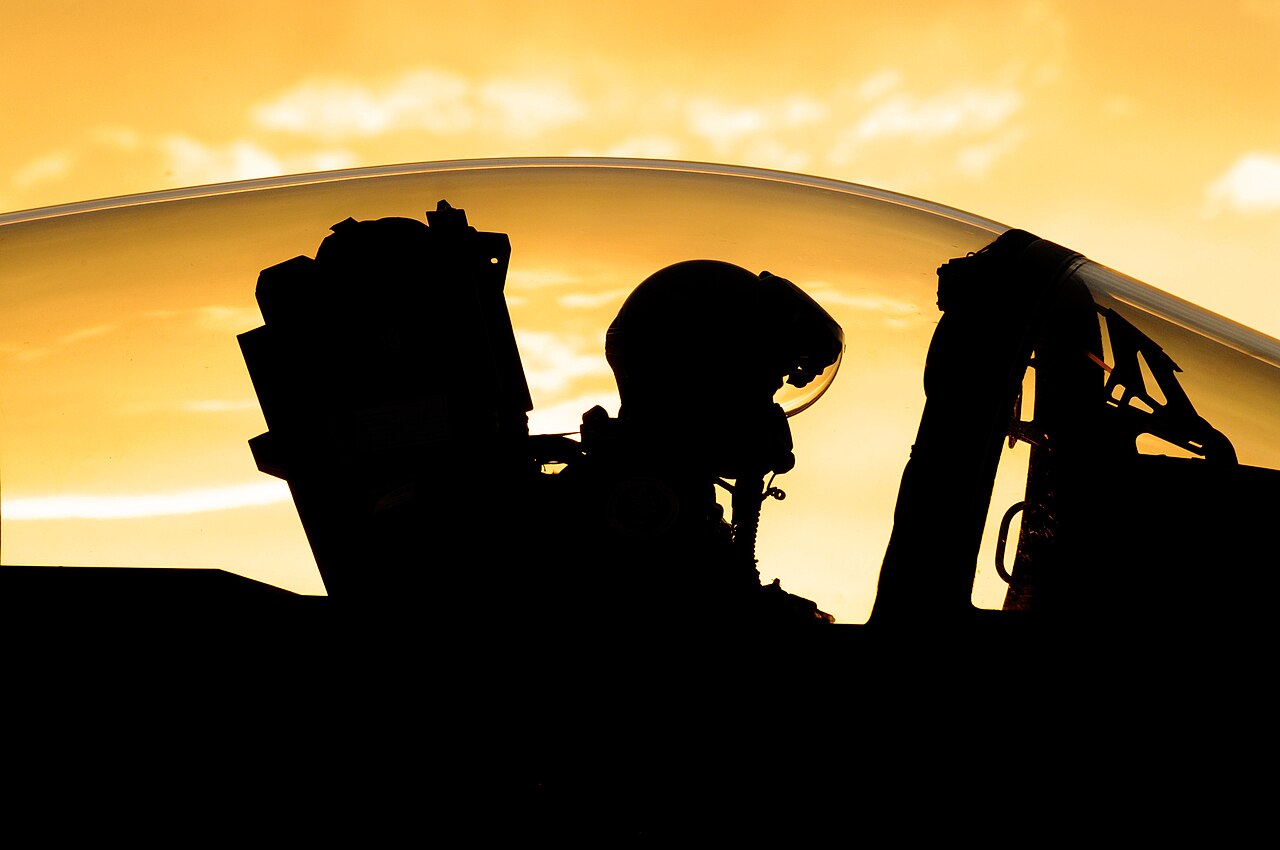
Inside the Extra 330LX cockpit, the atmosphere is one of maximum concentration. Pilots use the Garmin G3X Touch avionics suite, integrated with pre-programmed waypoints defining the vertices of the World Cup logo. The challenge is not just flying, but 'drawing' with the transponder. Every turn must be executed with a specific radius to ensure the Mode-S transponder line, captured by ADS-B surveillance systems, appears fluid. Pilots must maintain a constant altitude to avoid parallax errors in radar data, often operating in congested airspace under strict coordination with ATC.
Real Missions, Famous Routes, and Operational Challenges
The planned routes overflew iconic cities like Los Angeles, Mexico City, and Toronto. Each mission was preceded by advanced software simulations to predict the impact of jet streams on track precision. One of the greatest challenges was fuel management: the Extra 330LX has limited range, and high-precision maneuvers for the logo require high throttle settings, reducing safety margins. Pilots had to balance artistic perfection with rigorous management of Avgas 100LL reserves, demonstrating operational discipline worthy of the best experimental units.
| Technical Specification | Official Data |
|---|---|
| Wingspan | 8.0 m |
| Length | 7.01 m |
| MTOW (Max Takeoff Weight) | 950 kg |
| G-Load Limits | +/- 10 G |
| Fuel Capacity | 189 Liters |
| Crew | 1-2 Pilots |
The legacy of this mission will remain etched not only in radar databases but in aviation history as an example of how Mode-S technology and pilot skill can transform flight into a global art form. The future of Sky Art will likely see the integration of autonomous drones, but the soul and precision of a human pilot in an Extra 330LX will remain unsurpassed.