On the historic runways of Kemble Airfield in Gloucestershire, the familiar roar of turboprops is giving way to a futuristic hum. The protagonist of this metamorphosis is ZeroAvia’s Dornier 228, an aircraft that represents not just a flying testbed, but the technological manifesto of a new hydrogen-based aviation era.
✈️ Quick Facts & Performance
- Manufacturer: Dornier / ZeroAvia (Modified)
- Model: HyFlyer II (Dornier 228-200)
- Propulsion: Hybrid System (1x ZA600 Hydrogen-Electric, 1x Honeywell TPE331)
- Cruise Speed: 170-190 kts (Operational Target)
- Service Ceiling: 10,000 ft (Current Testing)
- Range: 300 nm (Commercial Target)
History, Origins, and Design Philosophy
The Dornier 228 has been a workhorse of regional aviation and STOL (Short Take-Off and Landing) operations for decades. Originally designed with the TNT (Tragflügel Neuer Technologie) wing, this aircraft offers extraordinary lift and internal volume, making it the ideal platform for housing bulky hydrogen storage systems. ZeroAvia chose this airframe not out of nostalgia, but for its structural robustness and ease of access to sub-wing propulsion systems.
ZeroAvia’s philosophy diverges from purely theoretical futuristic concepts: the goal is retrofitting. Using existing aircraft, certified and loved by operators, to accelerate the adoption of zero-emission powertrains. The HyFlyer II program aims to demonstrate that the transition from kerosene to gaseous hydrogen doesn't require a total redesign of flight physics, but a clever integration of chemistry, electrical engineering, and thermal management.
Aeronautical Engineering, Engines, and Aerodynamics
The beating heart of the aircraft is the ZA600 powertrain. In this experimental configuration, the left engine has been replaced by an electric motor powered by Proton Exchange Membrane (PEM) fuel cells. Gaseous hydrogen, stored in 350-bar pressurized tanks inside the fuselage, is combined with atmospheric oxygen to generate electricity, with water as the only byproduct.
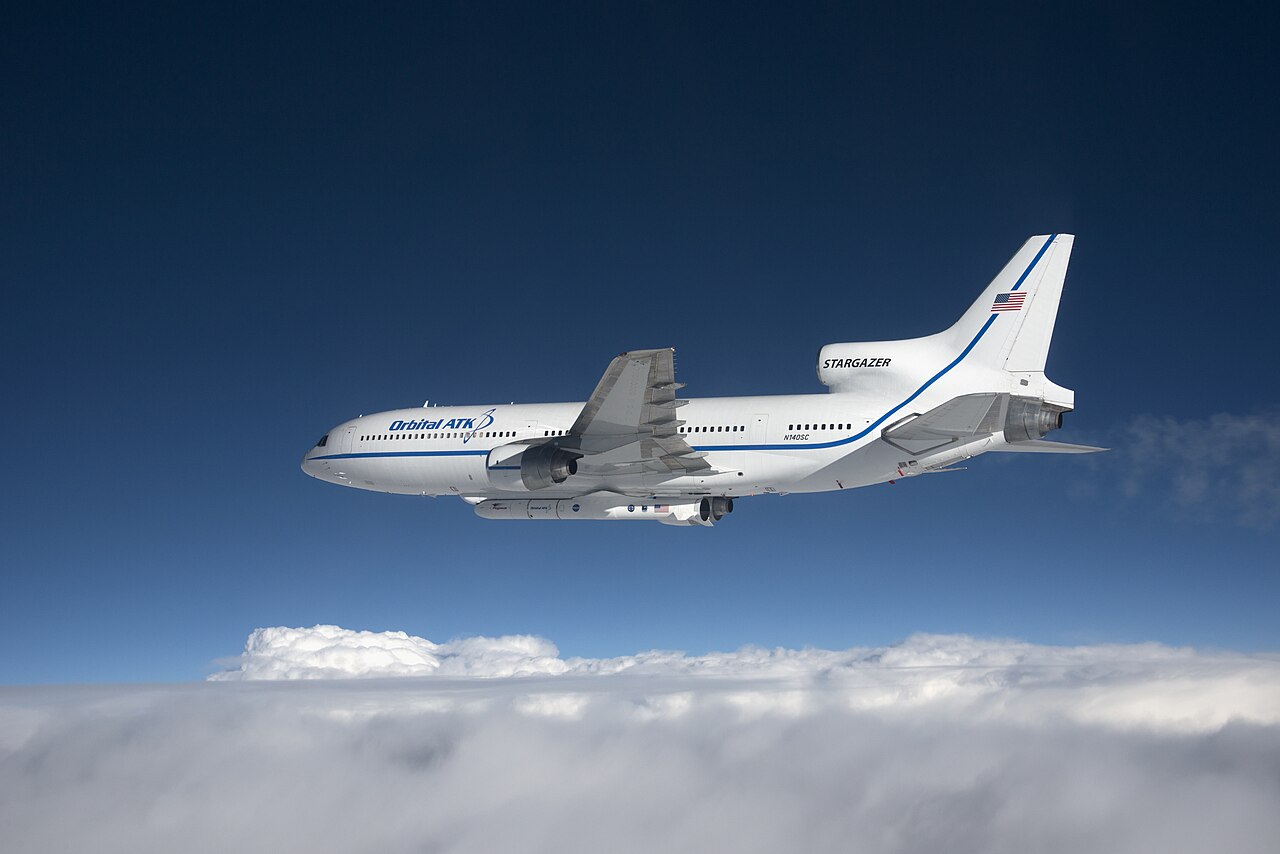
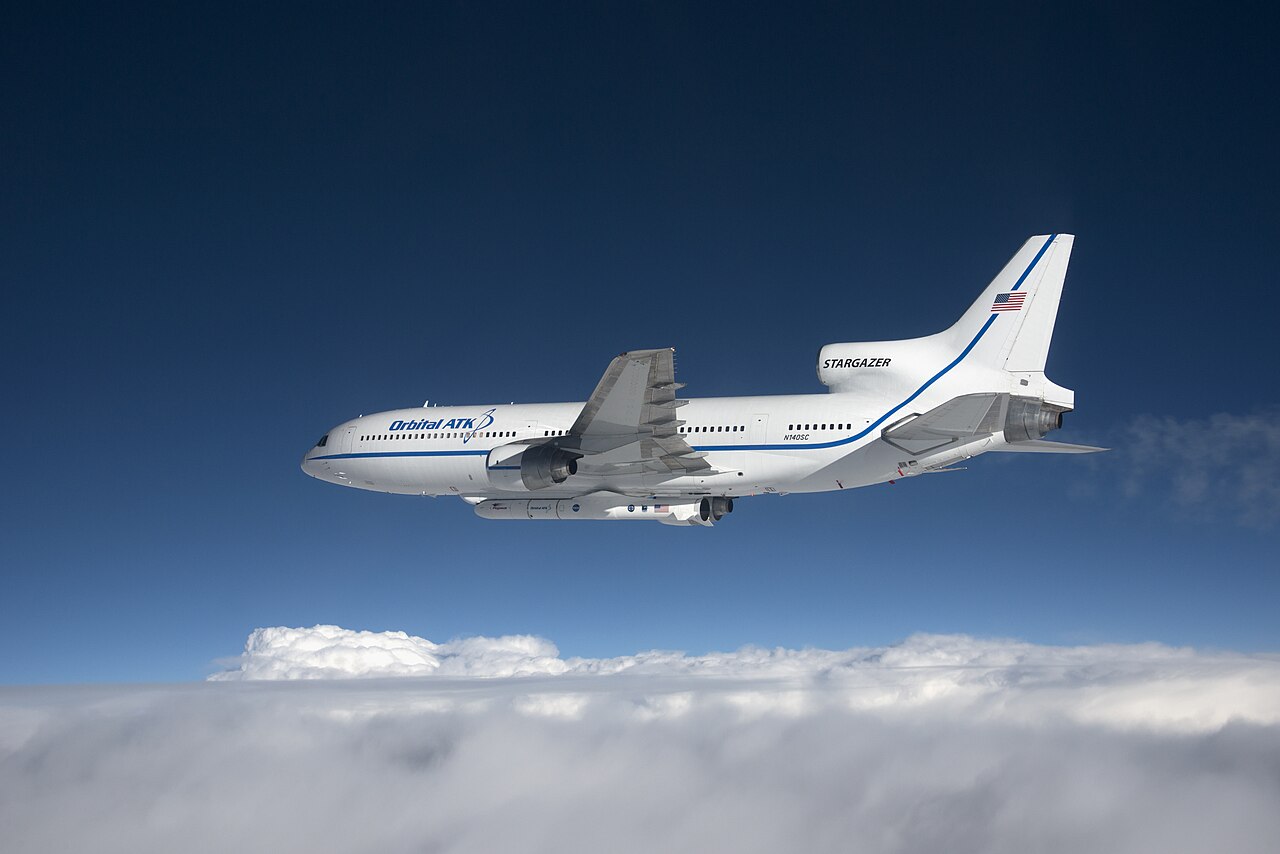
The primary engineering challenge lies in thermal management. Fuel cells generate a significant amount of low-temperature heat, requiring generously sized heat exchangers (radiators). If you look at ZeroAvia’s Dornier 228, you will notice additional fairings under the wing and fuselage: these are the system's lungs, designed to dissipate heat without excessively compromising aerodynamic efficiency. The right engine remains the trusted Honeywell TPE331 turboprop, providing critical safety redundancy during this asymmetric testing phase.
Life in the Cockpit: Operating Procedures and Pilots
For a test pilot, flying the hydrogen-powered Dornier 228 means managing an asymmetry not just in thrust, but in dynamic response. The ZA600 electric motor provides instantaneous torque, unlike the acceleration ramp typical of a gas turbine. In the cockpit, original analog instrumentation lives alongside state-of-the-art digital displays monitoring fuel cell stack health, hydrogen pressure, and electrical load balancing across inverters.
Pre-flight procedures now include monitoring hydrogen purge systems and verifying leak detection sensors. During takeoff, the pilot must balance the thrust of the TPE331 with the power delivered by the electric motor, ensuring directional stability is maintained. The sensation reported by pilots is one of unprecedented smoothness: the vibrations typical of internal combustion disappear on the left side, giving way to a quieter and more precise flight.
Real Missions, Famous Routes, and Global Operational Challenges
ZeroAvia’s target is short-haul regional routes, such as connections between the Scottish islands or domestic flights in Scandinavia. These missions, often under 500 km, are the ideal hunting ground for hydrogen. The challenge is not just the flight, but the ground infrastructure. Operating a hydrogen Dornier 228 requires complex refueling logistics, with the need to produce or transport green hydrogen directly to regional airports.
| Technical Feature | Official Data |
|---|---|
| Wingspan | 16.97 m |
| Length | 16.56 m |
| MTOW (Max Take-Off Weight) | 6,400 kg |
| Electric Motor Power | 600 kW |
| Hydrogen Type | Gaseous (350 bar) |
| Crew | 2 Pilots + Flight Engineers |
The Dornier 228’s legacy is set to evolve. From a 1980s utility transport to a pioneer of global sustainability, this aircraft proves that the deepest aeronautical innovation doesn't always lie in new aerodynamic shapes, but in what beats at the heart of its engine nacelles. The success of the Kemble tests paves the way for commercial certification, bringing us one step closer to skies where the only sign of our passage will be a trail of water vapor.