High above the skies of Southern France and the Bay of Biscay, a ritual unfolds that merges cutting-edge aerospace engineering with an art form invisible to the naked eye, yet perfectly traced by radar surveillance systems. Airbus aircraft acceptance flights, known as 'Customer Acceptance Flights' (CAF), are not merely rigorous technical verification protocols; they have become the stage for 'Sky Art,' where world-class test pilots use 250-ton aircraft as digital brushes to draw corporate logos and complex geometric shapes.
✈️ Technical Specs & Performance
Manufacturer: Airbus SAS
Model: A350-1000 XWB
Propulsion: 2x Rolls-Royce Trent XWB-97
Cruise Speed: Mach 0.85
Service Ceiling: 43,100 ft
Max Range: 16,100 km
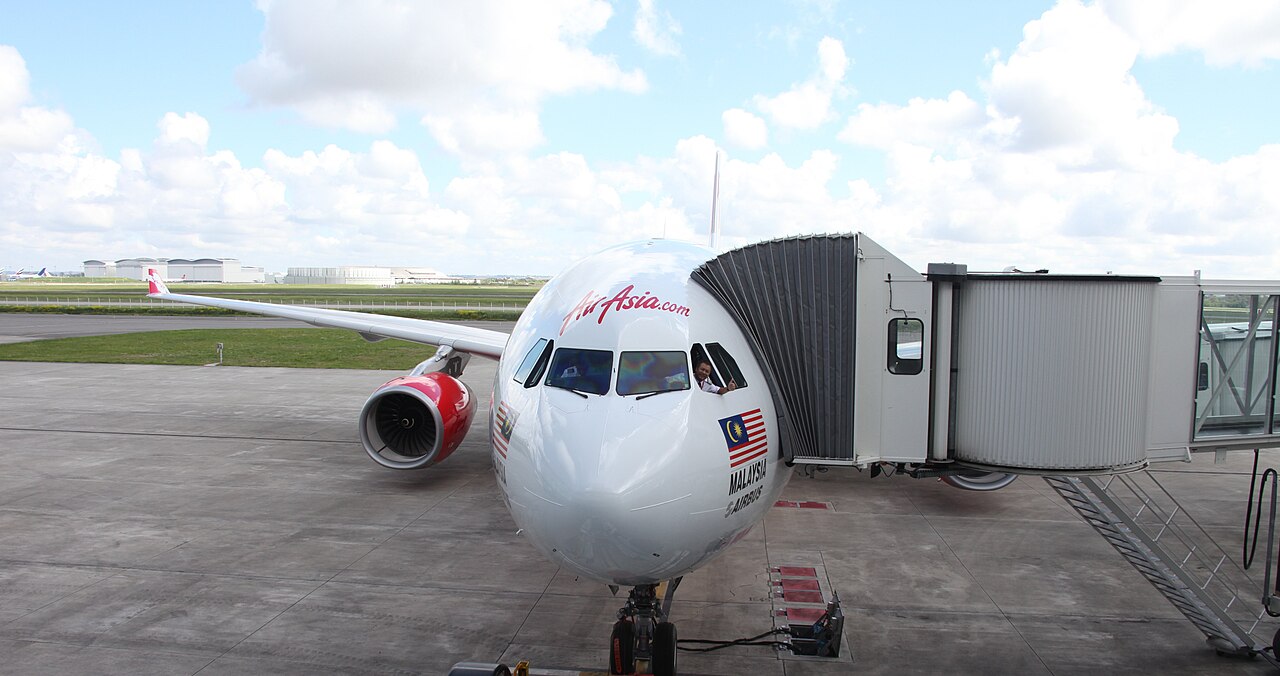
History, Origins, and Design Philosophy
The practice of tracing specific routes during test flights was not born out of pure showmanship, but operational necessity. Every new Airbus leaving the Final Assembly Line (FAL) in Toulouse must undergo a series of flight tests before official delivery to the customer. These tests include checks of pressurization systems, high-altitude engine relight tests, and, most importantly, endurance tests to verify the stability of avionic and hydraulic systems over long periods. In the past, pilots simply flew in standard circles or holding patterns. However, with the advent of high-precision Global Navigation Satellite Systems (GNSS) and latest-generation Flight Management Systems (FMS), Airbus teams began programming flight plans that optimized test time while creating a distinctive image. The philosophy is clear: to demonstrate the pinpoint precision of the aircraft's navigation systems, turning a technical obligation into a powerful marketing tool and engineering pride.
Aeronautical Engineering, Engines, and Aerodynamics
Executing 'Sky Art' requires impeccable management of the flight envelope. Take the Airbus A350-1000, for example. Its carbon fiber structure and 'morphing' wings that continuously adapt during flight offer unprecedented aerodynamic stability. During the tight turns required to draw complex logo curves, the Airbus Fly-By-Wire system coordinates control surfaces (ailerons, spoilers, and rudder) to maintain a constant altitude with minimal speed variations. The Rolls-Royce Trent XWB engines play a crucial role: their ability to respond rapidly to thrust variations requested by the Auto-Throttle system allows the aircraft to remain exactly on the path programmed in the FMS, even in the presence of jet streams or turbulence. The required precision is such that pilots use extremely stringent RNP (Required Navigation Performance) procedures, often less than 0.1 nautical miles, ensuring that every 'stroke' of the drawing is sharp and free of radar blur.
Life in the Cockpit: Operating Procedures and Pilots
Entering the cockpit of an A350 during a Sky Art flight means observing the symbiosis between man and machine. Preparation begins months in advance with flight performance engineers translating a graphic logo into a series of waypoints defined by precise geographic coordinates. This data is loaded into the FMS via a data loader. Once airborne, after completing critical tests on engines and emergency systems, the captain and first officer activate the 'artistic' flight plan. Monitoring is constant: pilots must coordinate closely with Air Traffic Control (ATC) to ensure that the airspace is clear for their unconventional maneuvers. This is not passive automatic flight; pilots must manage flap configuration, fuel balance between wing tanks, and longitudinal trim to compensate for fuel consumption during the hours required to complete the drawing.
Real Missions, Famous Routes, and Global Operational Challenges
One of the most famous examples was the A380 test flight that drew a giant Christmas tree over Germany, complete with ornaments. More recently, an A350-1000 traced the 'Carbon' logo to celebrate the lightness of composite materials. The challenges are manifold: weather is the primary one. Excessive crosswinds might require a drift correction angle (crab angle) that, while maintaining the correct ground track, tests the aircraft's efficiency limits. Furthermore, managing air traffic in congested areas like Western Europe requires diplomatic as well as technical planning. Every delivery flight is a diplomatic mission: when an aircraft for United Airlines or Emirates draws its logo before leaving Toulouse, it sends a message of reliability and technological precision to the entire global aviation industry.
| Technical Specification | Official Data |
|---|---|
| Wingspan | 64.75 m |
| Overall Length | 73.79 m |
| Maximum Take-Off Weight (MTOW) | 316 tonnes |
| Unit Thrust (Trent XWB-97) | 97,000 lbf |
| Max Fuel Capacity | 158,791 liters |
| Flight Crew | 2 Pilots |
In conclusion, Airbus Sky Art represents the pinnacle of technological confidence. Every line traced at 35,000 feet is an endurance test for the engines, a precision check for the avionics, and a demonstration of skill for the pilots. As the future of aviation moves toward greater automation and sustainability, these invisible drawings will remain as a testament to an era where engineering learned not only to fly but to leave a signature in the void of the atmosphere.