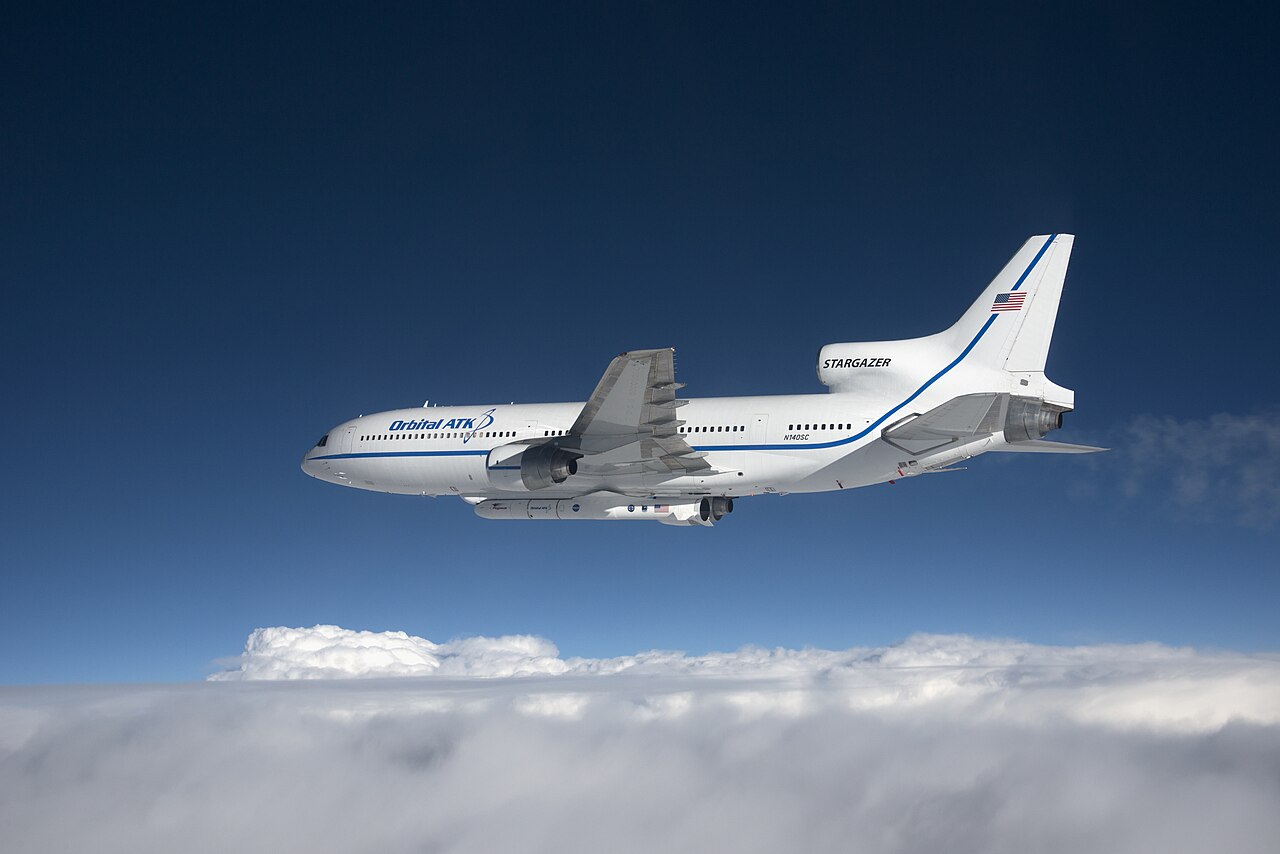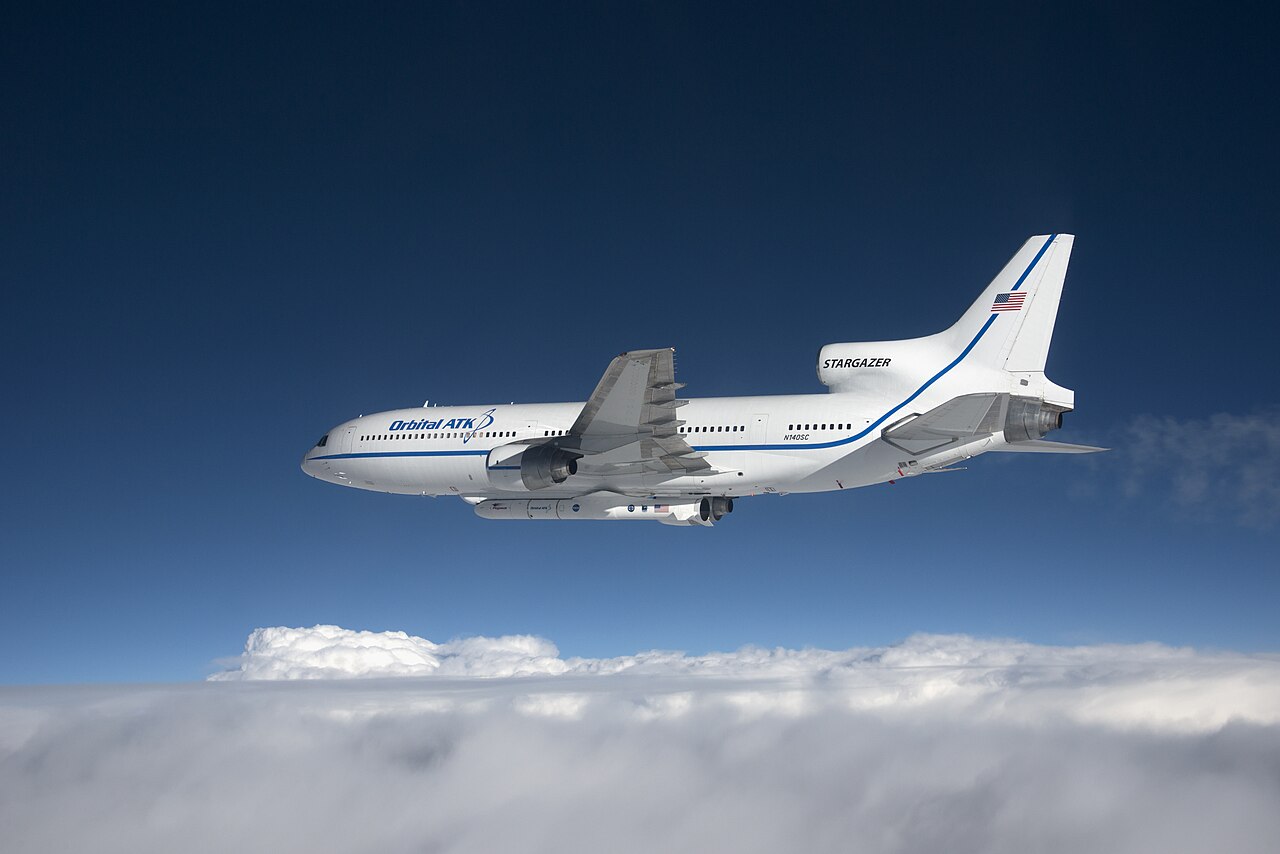

The McDonnell Douglas MD-11 was not merely an aircraft; it was the final roar of an era where the three-engine configuration represented the pinnacle of transoceanic efficiency.

History, Birth and Design Philosophy
Born from the ashes of the glorious DC-10, the MD-11 was conceived to bridge the gap between long-range twins and quad-engine giants. McDonnell Douglas's philosophy focused on an advanced supercritical wing and a fuselage stretch, while maintaining the iconic trijet layout.
Aeronautical Engineering, Engines and Aerodynamics
The main challenge was stability. To reduce aerodynamic drag, the tail plane was drastically reduced in surface area, leading to 'relaxed' longitudinal stability. This required a sophisticated fuel management system to keep the center of gravity within extremely tight limits during flight.
Cockpit Life: Operational Procedures
Pilots describe the MD-11 as a 'sensitive machine'. Trim management and the transition between flight phases required surgical precision, especially during landing, where approach speed had to be maintained with extreme care.
Real World Missions
Today, the MD-11 reigns supreme in the night skies as a pillar of global cargo, moving critical freight across continents with unmatched load capacity.
✈️ Quick Facts & Performance
| Technical Feature | Official Data |
|---|---|
| Wingspan | 51.66 m |
| MTOW | 285,990 kg |