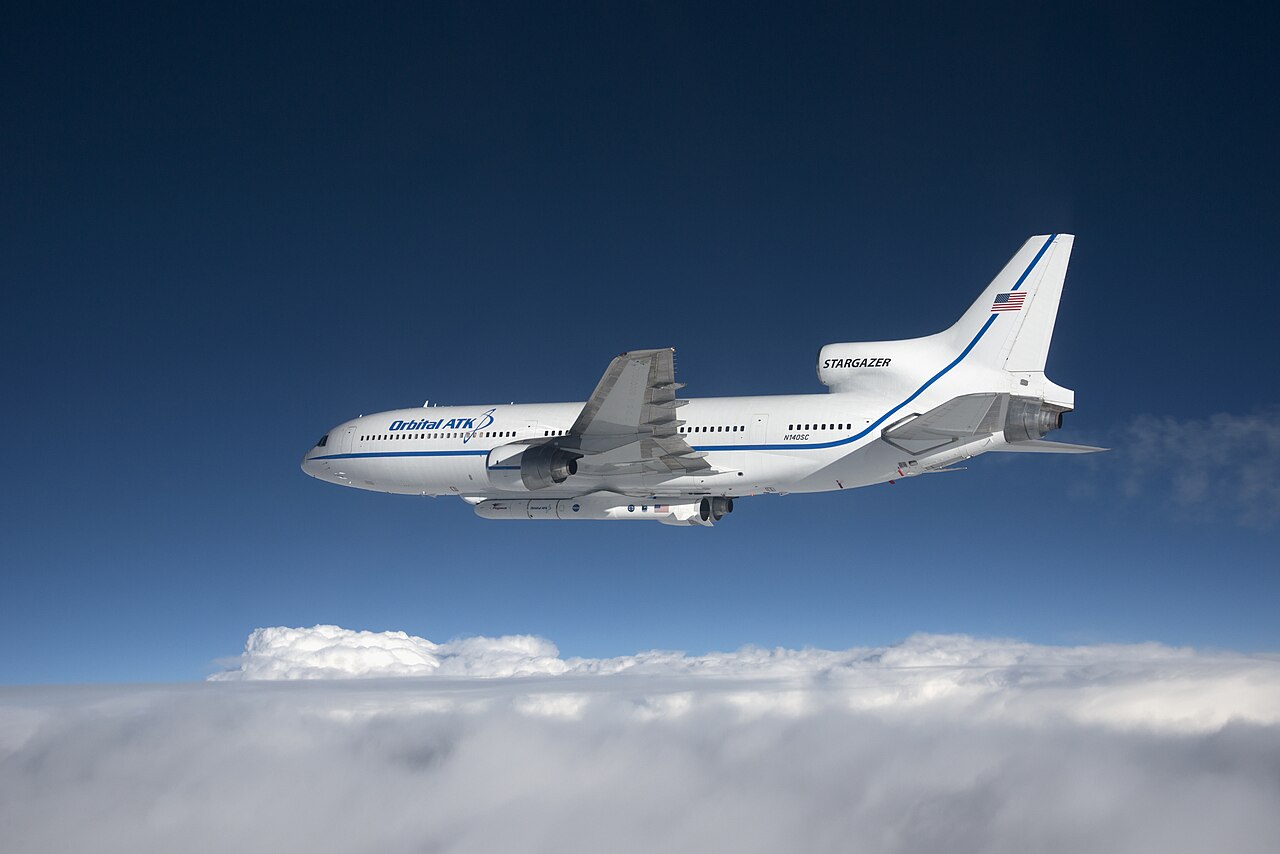
While most commercial air traffic cruises between 30,000 and 40,000 feet, an elite group of aircraft operates in a realm where the air is thin, the sky turns deep black, and the Earth's curvature becomes a tangible reality. The NASA WB-57 Canberra is not just an airplane; it is a self-propelled stratospheric laboratory, a Cold War veteran transformed into one of the most sophisticated scientific instruments in the American aeronautical arsenal.
✈️ Technical Specifications & Performance
- Manufacturer: Martin Company (under license from English Electric)
- Model: WB-57F High-Altitude Research Aircraft
- Propulsion: 2x Pratt & Whitney TF33-P-11A Turbofans
- Cruise Speed: Mach 0.7 (410 knots TAS)
- Service Ceiling: Over 60,000 feet (FL600+)
- Maximum Range: Approx. 2,500 nautical miles (6.5 hours)
History, Birth, and Design Philosophy
The origins of the WB-57 date back to the legendary British English Electric Canberra bomber, the first jet to cross the Atlantic without refueling. In the 1950s, the Martin Company obtained the license to produce the American version, the B-57. However, the need for ultra-high-altitude reconnaissance missions led to the creation of the 'F' variant. This transformation was not a simple upgrade but a complete structural redesign. The original wings were replaced by massive high-aspect-ratio wing surfaces, designed to generate lift in the thin air of the stratosphere. The philosophy was clear: create an aircraft capable of overflying enemy defenses and, later, sampling residues from atmospheric nuclear tests. With the end of the Cold War, NASA inherited these giants for scientific purposes, maintaining the world's only active WB-57 fleet at Ellington Field in Houston.
Aeronautical Engineering, Engines, and Aerodynamics
The technological heart of the WB-57 lies in its extraordinary wingspan of 37.2 meters, nearly double the length of the fuselage. This aerodynamic configuration allows the aircraft to maintain level flight at altitudes exceeding 60,000 feet, where air density is about one-tenth of that at sea level. Propulsion is provided by two Pratt & Whitney TF33-P-11A turbofans, each capable of delivering 15,500 pounds of thrust. These engines have been optimized to operate in extremely low temperature and pressure environments. A critical engineering aspect is the flight control system: at those altitudes, the margin between stall speed and maximum speed (the 'coffin corner') is extremely narrow, requiring millimetric piloting precision and dedicated avionics to monitor atmospheric parameters in real-time.
Life in the Cockpit: Operating Procedures and Pilots
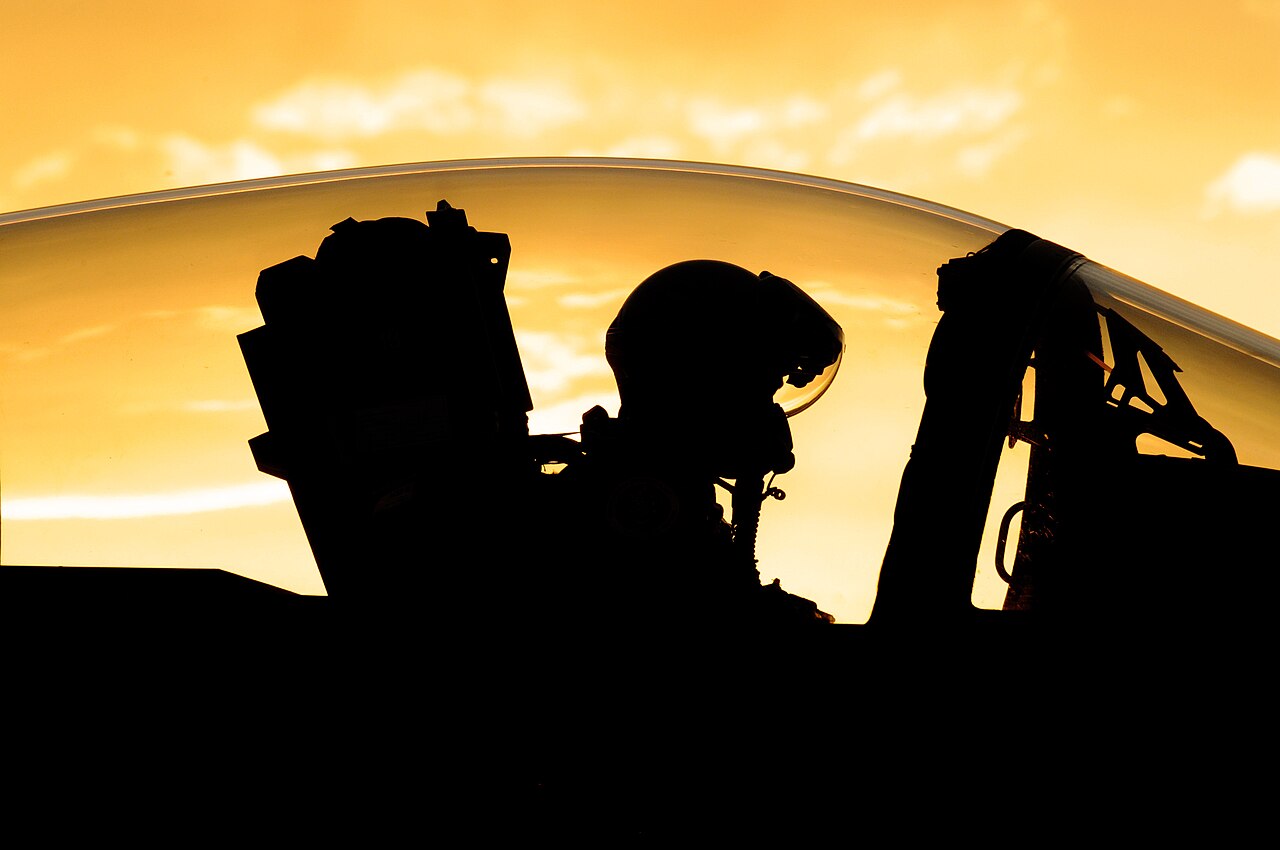
Flying the WB-57 is an experience closer to that of an astronaut than a commercial pilot. The crew, consisting of a pilot and a Sensor Systems Operator (SSO), must wear David Clark full-pressure suits, identical to those used by U-2 and Space Shuttle crews. Cabin pressurization is insufficient to ensure survival in the event of explosive decompression at FL600. Every mission requires hours of pre-oxygenation to eliminate nitrogen from the blood and prevent gas embolism. Visibility from the cockpit is limited, and controlling the aircraft requires extreme sensitivity, especially during approach and landing, where the massive wing tends to generate a prolonged ground effect.
Real Missions, Famous Routes, and Global Operational Challenges
WB-57 operations range from climate research to space exploration support. One of the most spectacular missions involves tracking rocket launches such as SpaceX's Falcon 9 or NASA's Space Launch System (SLS). Equipped with the HALO (High Altitude Lidar Observatory) stabilized sensor system, the WB-57 flies calculated routes over the Kennedy Space Center to capture high-resolution thermal and optical images of stage separation and atmospheric reentry. Furthermore, the aircraft is fundamental for studying cosmic rays and sampling greenhouse gases in the tropopause, often flying in remote Arctic areas or over tropical storm systems to collect data that no satellite can obtain with the same precision.
| Technical Feature | Official Data |
|---|---|
| Wingspan | 122 ft (37.2 m) |
| Length | 68 ft (20.7 m) |
| MTOW (Max Takeoff Weight) | 63,000 lb (28,576 kg) |
| Unit Thrust | 15,500 lbf |
| Max Fuel | Approx. 3,000 gallons |
| Crew | 2 (Pilot and SSO) |
In an era dominated by drones, the NASA WB-57 remains irreplaceable. Its ability to carry heavy payloads (up to 4,000 pounds of sensors) and the flexibility guaranteed by the human presence on board make it a pillar of modern aeronautical science. As long as there are mysteries in the stratosphere and launches toward the stars, the unmistakable profile of its long wings will continue to soar at the edges of space.