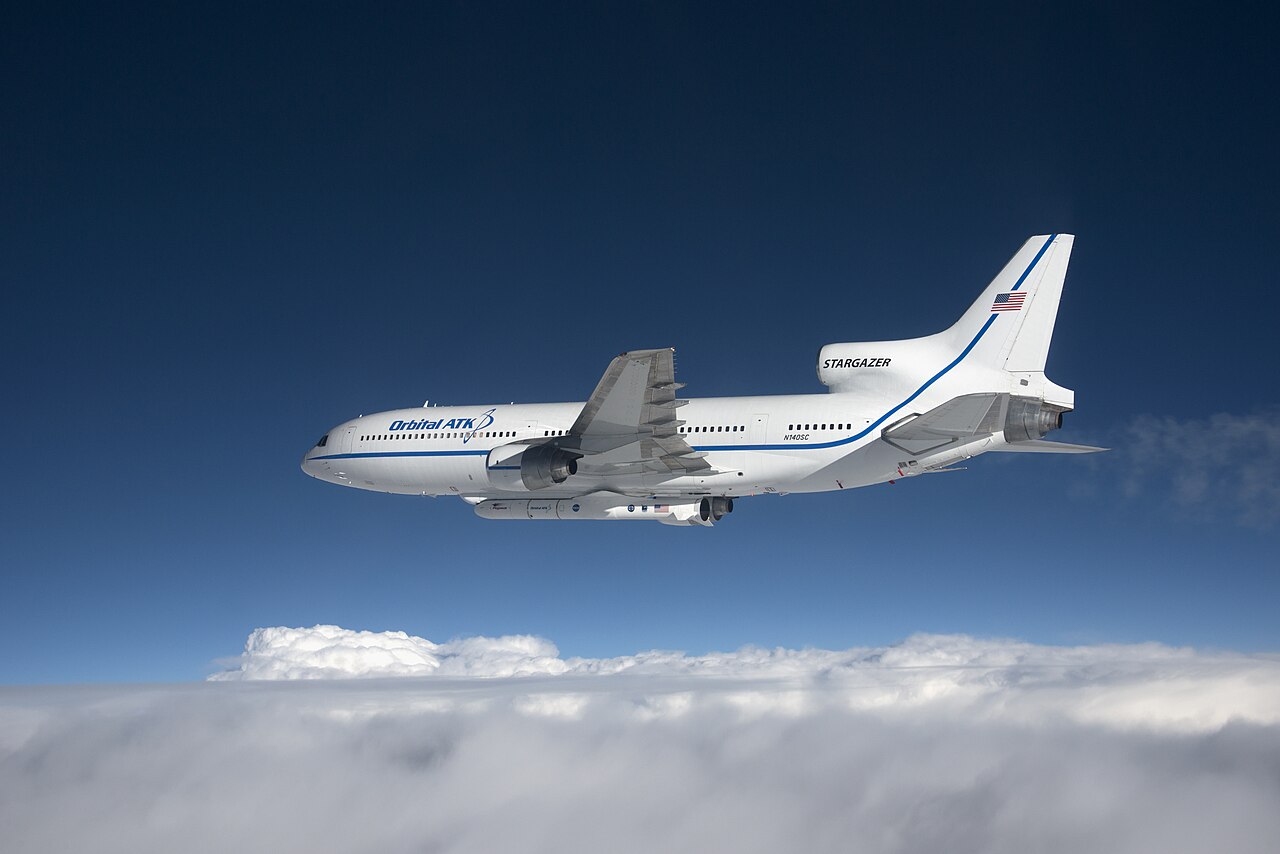
When the imposing silhouette of the Orbis International McDonnell Douglas MD-10-30F appears on the horizon, it is not just a triumph of aeronautical mechanics touching down, but a tangible beacon of hope for thousands. This aircraft, once a cornerstone of the FedEx fleet, represents the pinnacle of special aeronautical conversion: a full, FAA-certified ophthalmic hospital integrated within a high-performance tri-jet airframe.
✈️ Quick Facts & Performance
- Manufacturer: McDonnell Douglas (Boeing)
- Model: MD-10-30F (DC-10-30 with Glass Cockpit)
- Propulsion: 3x General Electric CF6-50C2
- Cruise Speed: Mach 0.82 (580 mph)
- Service Ceiling: 42,000 ft (12,800 m)
- Max Range: 4,000 nm (7,400 km) with medical payload
History, Birth, and Design Philosophy
The history of the Orbis Flying Eye Hospital began in the 1970s, but it reached its technological maturity with the current MD-10-30F, the organization's third-generation aircraft. Donated by FedEx, this plane is a unique hybrid: it possesses the robust DC-10-30 airframe but is equipped with the Advanced Common Flightdeck (ACF) from the MD-11. This conversion eliminated the need for a flight engineer, reducing the flight crew to just two pilots and radically modernizing the avionics.
The philosophy behind choosing a wide-body like the MD-10 lies in the need for stability and internal volume. To perform ocular microsurgery, the aircraft must behave as a rock-solid platform. The internal structure was reinforced to house an operating room, a laser room, a sterilization zone, and a classroom for training, all while maintaining rigorous flight safety standards.
Aeronautical Engineering, Engines, and Aerodynamics
The beating heart of the MD-10-30F is its three General Electric CF6-50C2 turbofan engines, each capable of generating over 52,000 pounds of thrust. The tri-engine configuration, with the distinctive number 2 engine mounted in the tail through a 'straight-through' duct, offers exceptional redundancy—crucial when operating in regions of the world with limited infrastructure. The aircraft's aerodynamics, though conceived in the 1960s, remain efficient thanks to a 35-degree wing sweep that allows for fast, high-altitude cruising.
One of the most complex engineering challenges was managing weight and balance (Center of Gravity). Installing heavy medical equipment and hospital-grade HEPA air filtration systems required a complete recalculation of the load manifest. Furthermore, the aircraft is equipped with a supplemental onboard generator to ensure the hospital remains operational even when the main engines are off and the airport does not provide reliable ground power.
Life in the Cockpit: Operating Procedures and Pilots
Flying the Orbis MD-10 is no ordinary task. The pilots are often highly qualified volunteers from the world's leading airlines. The transition to the MD-10's glass cockpit introduced liquid crystal displays and advanced Flight Management Systems (FMS) that reduce workload, but managing a heavy tri-jet still requires a skilled hand, especially during approaches into remote airports with short runways or 'Hot and High' conditions.
Operating procedures include strict protocols for parking and stabilizing the aircraft. Once on the ground, the plane is lifted on special hydraulic jacks to prevent any movement caused by wind or personnel shifting on board, ensuring that surgical microscopes remain perfectly still during delicate operations.
Real Missions, Famous Routes, and Global Operational Challenges
From the steppes of Mongolia to the forests of Vietnam, the Orbis MD-10 has flown routes that would challenge any logistical operator. Each mission requires months of aeronautical planning: fuel analysis, overflight permits, and ground handling availability. Often, the crew must independently manage refueling and on-site maintenance.
One of the greatest challenges is transporting pressure- and temperature-sensitive medical supplies in the cargo hold. The MD-10's Environmental Control System (ECS) was modified to maintain constant hospital-grade climate parameters both in flight and on the ground, regardless of external conditions that can range from -50°C at altitude to +45°C on tropical runways.
| Technical Specification | Official Data |
|---|---|
| Wingspan | 50.4 m |
| Length | 55.5 m |
| MTOW (Max Takeoff Weight) | 263,083 kg |
| Unit Thrust (CF6-50C2) | 52,500 lbf |
| Max Fuel Capacity | 138,700 liters |
| Flight Crew | 2 Pilots |
In conclusion, the Orbis Flying Eye Hospital remains one of the most powerful symbols of how heavy aeronautical engineering can be placed at the service of humanity. As the world moves toward more modern twins, the majestic presence of the MD-10 in the skies continues to prove that the technology of the past, when intelligently upgraded, can still define the future of global care.