In the heart of Switzerland, between the peaks of Mount Pilatus and the waters of Lake Lucerne, a rite of engineering precision unfolds, blending the art of flight with aeronautical rigor. Every Pilatus PC-12 that rolls off the Stans assembly line is more than just an aircraft; it is a promise of reliability sealed in the skies through the 'Swiss Cross'—a perfect radar track that serves as the final proving ground for navigation systems and autopilot integration.
✈️ Quick Facts & Performance
History, Origin, and Design Philosophy
The Pilatus PC-12 was born from a bold gamble in the late 1980s: to create a single-engine turboprop capable of competing with light jets and twins in terms of payload, versatility, and operating costs. The 'Swiss Made' philosophy is evident in every rivet: a robust aircraft capable of operating on short and semi-prepared runways, yet featuring an executive cabin worthy of a top-tier business jet. Since its certification in 1994, the PC-12 has become the benchmark for utility missions, medical transport (RFDS), and global business aviation.
Aeronautical Engineering, Engines, and Aerodynamics
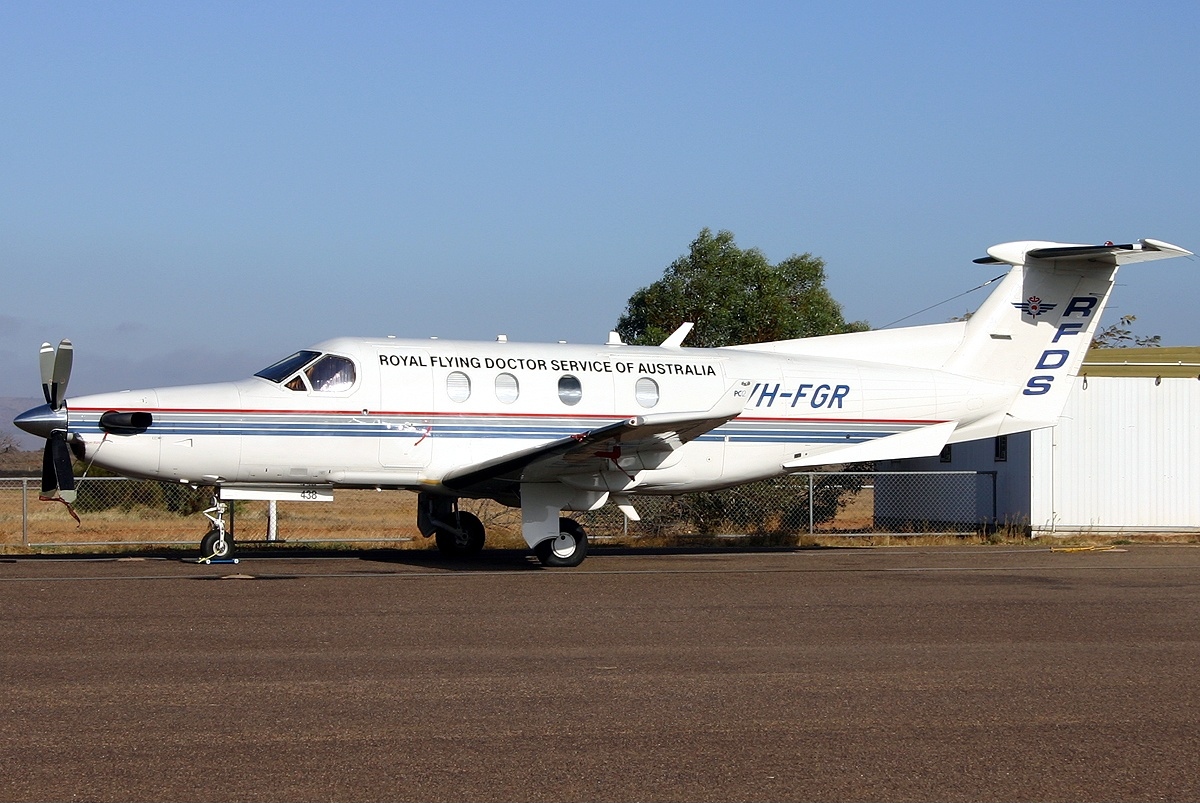
The beating heart of the PC-12 is the iconic Pratt & Whitney PT6A-67P engine, a turbine that has redefined reliability standards in the industry. With a thermodynamic power of 1,200 SHP, it ensures consistent performance even in 'hot and high' conditions. The aerodynamics feature a laminar flow wing with integrated winglets, optimized to reduce induced drag and improve efficiency during long cruise legs. The T-tail is not just an aesthetic choice but a technical necessity to keep the control surfaces out of the four-blade propeller's wake, ensuring exceptional longitudinal stability.
Life in the Cockpit: Operating Procedures and Pilots
Entering the cockpit of a PC-12 NGX means interfacing with the Honeywell Primus Apex system. During delivery tests in Stans, test pilots execute an extremely rigorous Flight Plan (FPL). The cross-shaped track is not a mere display; it requires millimeter-precise management of the Flight Management System (FMS) and autopilot. Every 90-degree turn and straight segment serves to verify the calibration of Inertial Reference Systems (IRS) and GPS/SBAS signal integrity, ensuring that the symmetry of the track reflects the precision of the onboard computers under dynamic stress.
Real-World Missions, Famous Routes, and Global Operational Challenges
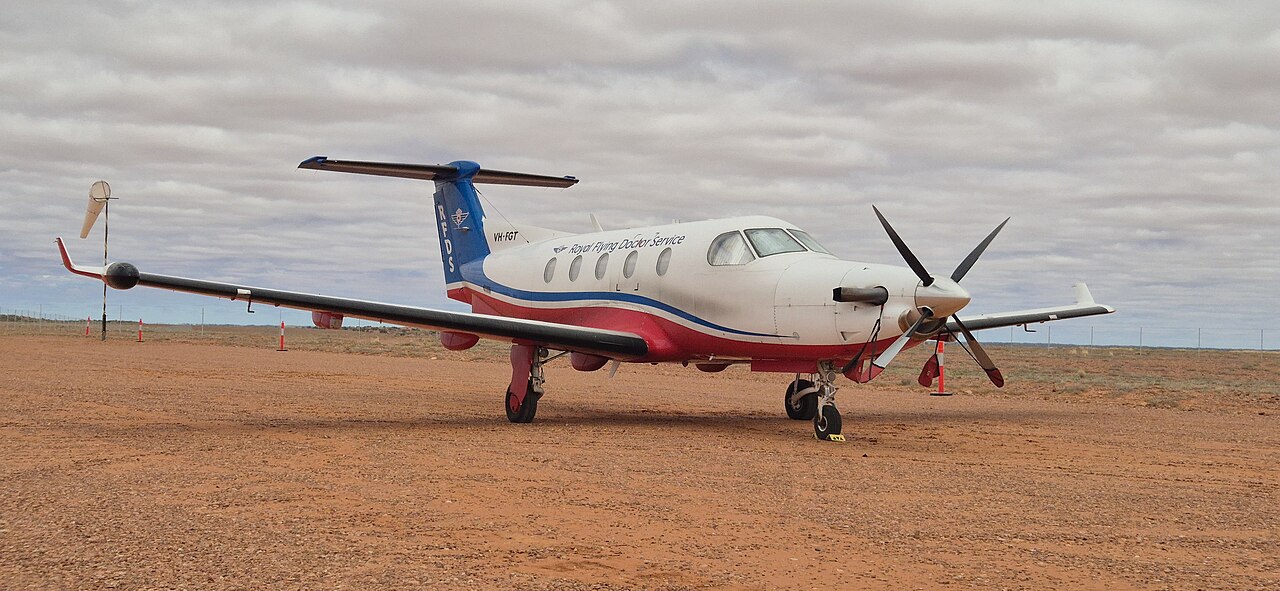
The PC-12 is known as the 'Swiss Army Knife of the air.' From operations in the most remote areas of Australia with the Royal Flying Doctor Service to transatlantic routes with stops in Greenland, the aircraft faces extreme climatic challenges. Its ability to take off in less than 800 meters at full load makes it unique for accessing mountain airports or unpaved strips in Africa and South America, where logistics demand a vehicle that knows no compromise between power and agility.
| Technical Specification | Official Data |
|---|---|
| Wingspan | 16.28 m |
| Length | 14.40 m |
| MTOW (Max Take-Off Weight) | 4,740 kg |
| Max Fuel | 1,522 L |
| Crew | 1-2 pilots |
| Passenger Capacity | Up to 9 |
The legacy of the PC-12 continues to evolve. As the industry moves toward greater automation and sustainability, the Pilatus design remains a pillar of general aviation, proving that the balance between pure mechanical engineering and advanced digital integration is the key to dominating the skies of the future.